


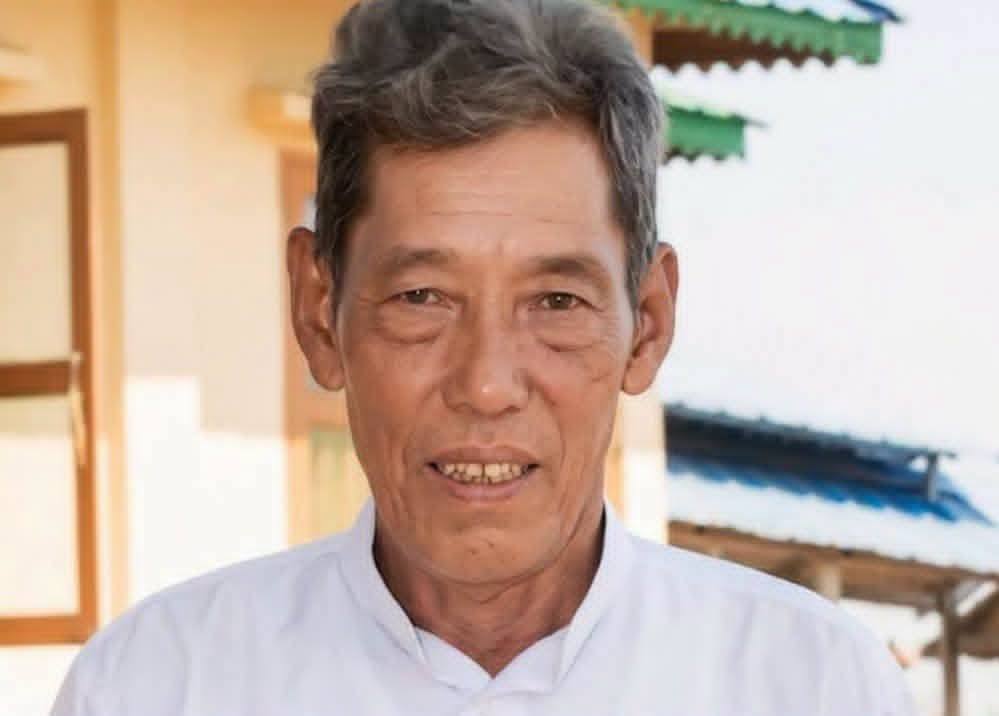
A 72-year-old farmer imprisoned under anti-terrorism laws has died following a stroke in Bago Region, marking the latest death linked to severe medical neglect inside Myanmar’s penal system.
The death of Tun Myint at Paungde Hospital on July 12 highlights a catastrophic healthcare crisis across the regime’s prison network, where dozens of political detainees continue to succumb to curable illnesses, untreated interrogation injuries, and restricted emergency care.
The death of Tun Myint: Healthy before conviction
According to the Political Prisoners Network Myanmar (PPNM), Tun Myint was in good health prior to his arrest by regime forces.
On November 21, 2022, he was convicted and sentenced to 10 years in prison under Section 50(J) of the Counter-Terrorism Law for allegedly providing financial support to the People’s Defence Force (PDF)—the armed wing of the democratic opposition designated as a “terrorist organization” by the regime in May 2021.
“He suffered from a stroke and lacked adequate medical care,” PPNM stated, noting that Tun Myint is the second political prisoner from Paungde Prison to die from substandard medical treatment since last year.
Nationwide toll: 148 deaths across 32 facilities
Data released by PPNM reveals that between July 2021 and May 2026, at least 148 political prisoners have died in 32 detention centers across Myanmar due to systemic delays and severe restrictions on healthcare services.
The fatalities are heavily concentrated in major urban correctional facilities:
Correctional Facilities with Highest Medical Death Rates
├── Insein Prison (Yangon): Accounts for 34.5% of all documented medical deaths
└── Obo Prison (Mandalay): Accounts for 12.8% of all documented medical deaths
Demographics and causes of death
The monitoring group’s casualty logs reveal that while the majority of those dying behind bars are working-age men, the toll spans across all demographics, including minors and the elderly.
| Demographic Category | Percentage / Breakdown |
| Men | 86% of total deceased political prisoners |
| Women | 13% of total deceased political prisoners |
| LGBTQ+ Detainees | 1% of total deceased political prisoners |
| Primary Age Bracket | Majority aged 36 to 55 years old |
| Extreme Age Groups | Includes 2 minors under 17 and several elderly prisoners over 70 |
PPNM emphasized that detainees are dying from curable diseases due to strict administrative “time restrictions” on medical assistance and deliberate refusals by prison authorities to transfer critically ill inmates to external public hospitals.
Primary causes of death documented across the 32 prisons include:
- Untreated Interrogation Injuries: Internal bleeding, organ damage, and physical trauma inflicted during initial torture sessions.
- Infectious Diseases & Malnutrition: Rapid spread of tuberculosis, severe skin infections, and malnutrition in overcrowded cells.
- Surgical Delays: Chronic, long-term illnesses left unmanaged due to a lack of qualified medical staff and equipment inside prison walls.
Demands for international accountability
The escalating death toll occurs against the backdrop of a massive, ongoing detention campaign executed by the regime. According to the Assistance Association for Political Prisoners (AAPP), at least 31,539 people have been arrested for anti-coup political activity or perceived dissent since the 2021 military takeover.
In response to the growing fatalities inside facilities like Paungde, Insein, and Obo, PPNM has called on international human rights bodies and the United Nations to hold the regime in Naypyidaw and its Myanmar Prisons Department directly accountable for gross medical negligence and systematic prisoner rights violations.