


Seán Barry
Civil society organizations affiliated with the Karen National Union (KNU) are preparing to launch what experts have said could be the world’s first indigenous-led climate commitment before the end of the year – a practical attempt to fill a governance vacuum left by Myanmar’s fractured state, and a bid for international legitimacy.
As world leaders gather in Brazil for the COP30 climate summit which begins this week, Myanmar has no official delegation at the talks, despite consistently ranking among the world’s most climate-vulnerable countries.
But in southeastern Myanmar, the kind of indigenous-led environmental stewardship being highlighted at COP30 in Belém, Brazil, this year is already taking shape.
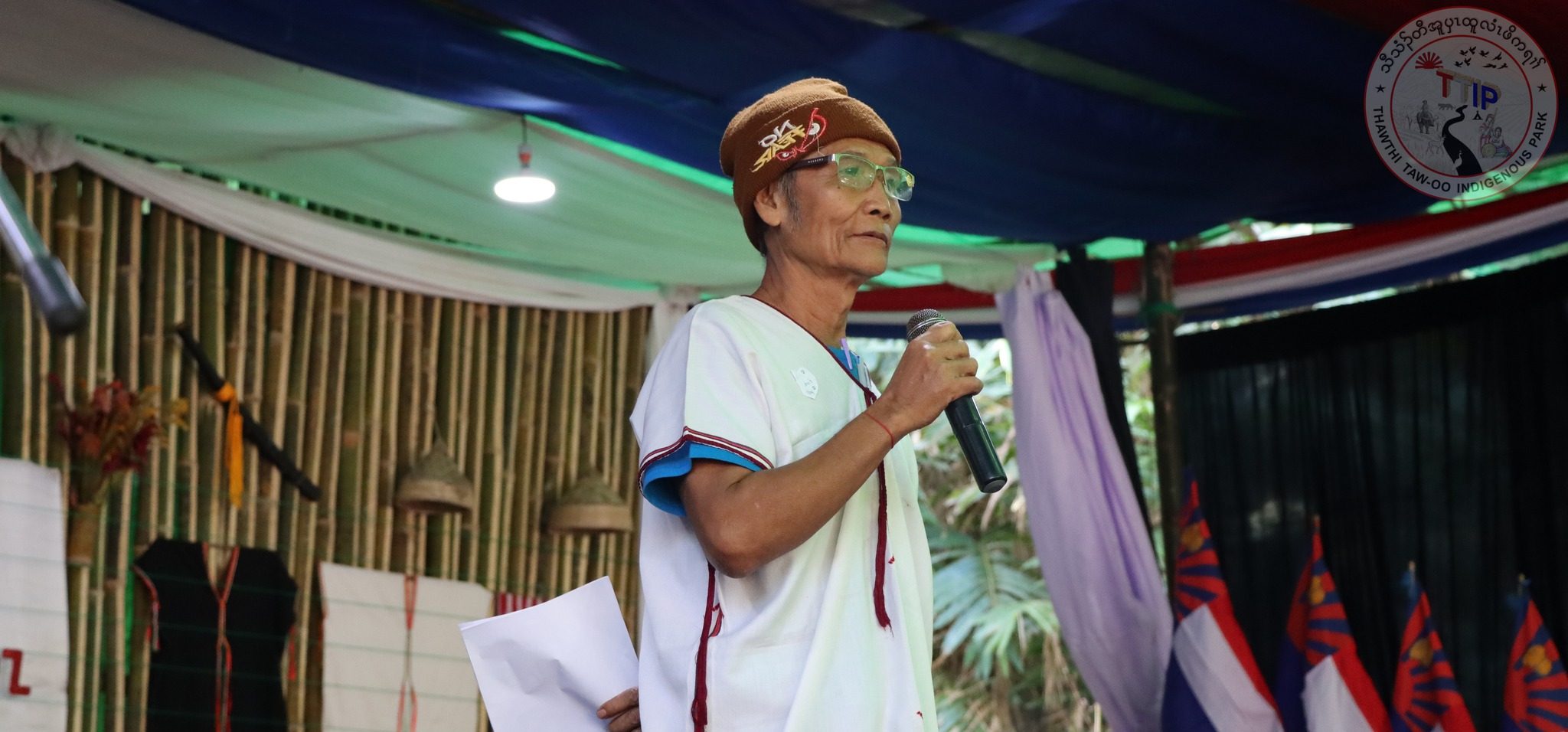
The Karen Environmental and Social Action Network (KESAN) and the Tanawthari River Indigenous People Network (TRIPNET) have for the last two years been developing the Kawthoolei Climate Action Plan (K-CAP) – a community-driven blueprint to protect remaining forest, restore watersheds, and help rural villages adapt to rising heat and erratic rainfall.
Climate vulnerable, but absent from the table
Since the 2021 military coup, Myanmar’s national climate commitments have stalled. Both the regime in Naypyidaw and the National Unity Government (NUG) submitted versions of an older National League for Democracy (NLD) plan to COP26 in 2021.
But international cooperation and climate financing have since collapsed.
“The plan that went to COP26 was very state-centric,” said Ashley South, an academic and advisor to K-CAP. “We felt we could do better by developing something properly bottom-up, rooted in how Karen communities already govern land and forest.”
Myanmar routinely ranks among the world’s most climate at-risk countries. Extreme heat, rainfall-induced landslides and floods affect millions each year.
Cyclone Nargis killed an estimated 130,000 people in 2008, and the March 28 earthquake exposed severe gaps in disaster preparedness and response.
A bottom-up climate plan
K-CAP has been developed through consultations between the KNU governance departments and Karen civil society groups. It draws on long-standing community forest management practices.
“The plan documents what communities are already doing,” South said. “And then commits to doing more – like reducing deforestation by half and expanding access to sustainable fuel.”
He described traditional Karen land and forest policies as “among the most progressive in Southeast Asia,” but under threat from war and shrinking aid budgets.
“There is a real temptation to cut forest to survive when no one is helping,” he said. “The effort to protect what is left is extraordinary – and it needs support.”
Karen State contains some of mainland Southeast Asia’s last intact monsoon forests, which store carbon and support biodiversity now under pressure across the region.
Funding and legitimacy
Full implementation of the plan will depend on climate finance, which is usually channelled through recognized governments.
“Donors say they want to support climate action in conflict-affected areas,” South added. “You don’t get more conflict-affected than Myanmar.”
He argues credible funding could prevent armed organisations from turning to logging, mining or other extractive economies.
“There is a real risk of natural resource fatalism — cutting the forest now before someone else does,” he said. “But there are networks and leaders who want to protect these ecosystems. With the right support, they could shift whole organisations in the right direction.”
Meanwhile, the military has used state media to accuse Karen resistance groups of destabilising the region.
On Nov. 7, Senior General Min Aung Hlaing claimed Karen State was “once peaceful” but now “unstable and suffering because of anti-regime activities.”
K-CAP is still undergoing internal finalisation and budgeting but it is expected to be launched by the end of this year and presented at COP31 in 2026.
For now, Myanmar remains absent from global climate negotiations, even as its disaster-vulnerable population faces increasingly severe impacts.
“These upland areas are the green lungs of Southeast Asia,” South concluded. “They are one of the few meaningful contributions Myanmar is making to the world right now.”
Seán Barry is a Chiang Mai-based freelance journalist and audio producer, with a focus on authoritarianism, human rights, and humanitarian aid. He first visited Myanmar in 2015.