


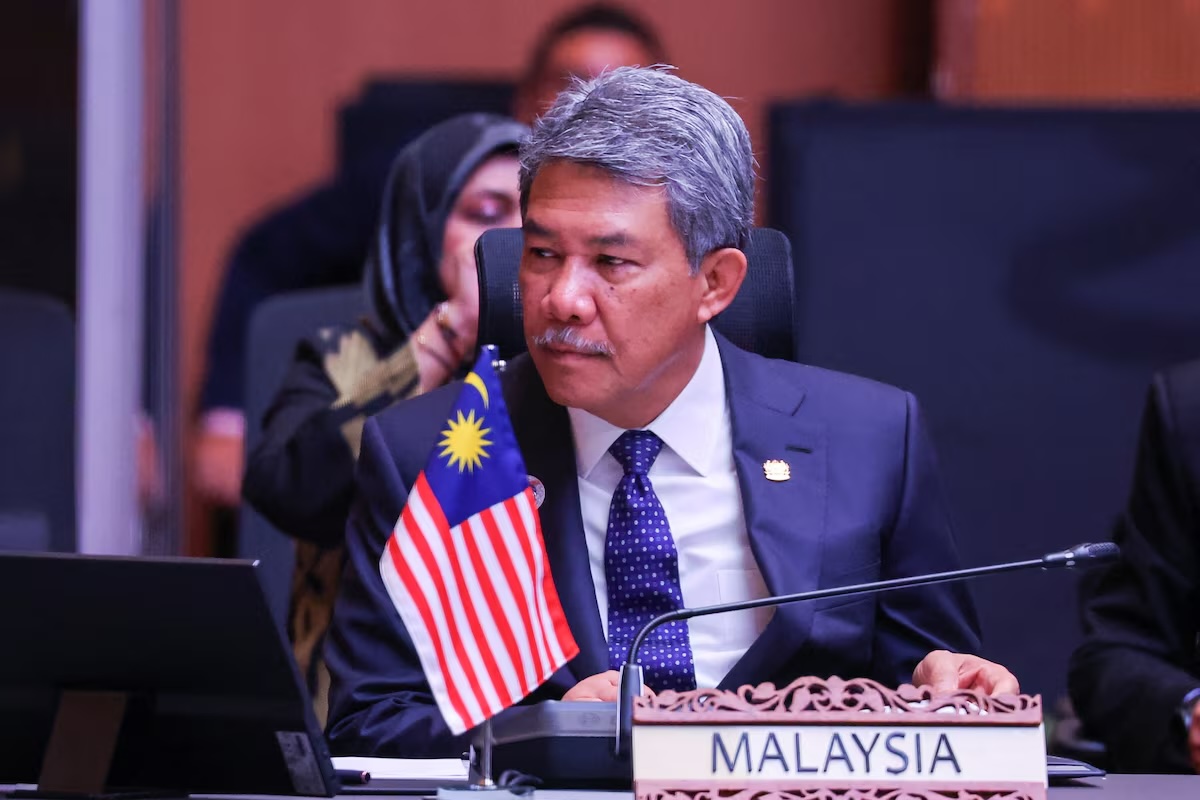
Malaysia will begin the first phase of a voluntary repatriation program on Sept. 29, returning 1,476 Myanmar nationals using two Myanmar Navy warships and a hospital ship, Malaysia’s Home Ministry announced.
The operation represents the initial stage of a broader agreement reached between Prime Minister Anwar Ibrahim and Myanmar’s military regime to repatriate up to 5,000 ethnic Rohingya refugees.
Two-pronged management strategy
Malaysia’s Home Ministry is executing a synchronized policy to manage the country’s large undocumented population:
- Phased Voluntary Returns: The 1,476 individuals scheduled for the September 29 departure were officially identified by Naypyidaw via an August diplomatic note. The Home Ministry, Foreign Ministry, National Security Council, and Defence Ministry adjusted the departure schedule to accommodate naval logistics.
- Refugee Registration Document (DPP) System: Concurrently, authorities are enrolling 4,008 individuals—primarily ethnic Rohingya—into the DPP program. The scheme requires biometric and personal data collection to establish a comprehensive profile for undocumented migrants, including existing UNHCR cardholders.
- Detention Depot Background Audits: As of Aug. 15, Malaysian immigration detention depots held 10,388 Myanmar nationals. The Immigration Department and Royal Malaysia Police are verifying the identity, security background, and asylum claims of each detainee, with audits expected to conclude in Q4 2026.
| Dimension / Stakeholder | Operational Position & Context |
| Malaysian Government Position | Maintains that refugee issues require direct diplomatic engagement with Naypyidaw while prioritizing national security and demographic stability. |
| Legal Framework | Malaysia is not a signatory to the 1951 UN Refugee Convention; refugees are legally classified as undocumented migrants without formal status. |
| Rights Advocates & Civil Society | Rohingya organizations have urged Malaysia to halt repatriations, warning that returning individuals to Myanmar exposes them to forced military conscription, detention, and ongoing conflict. |