


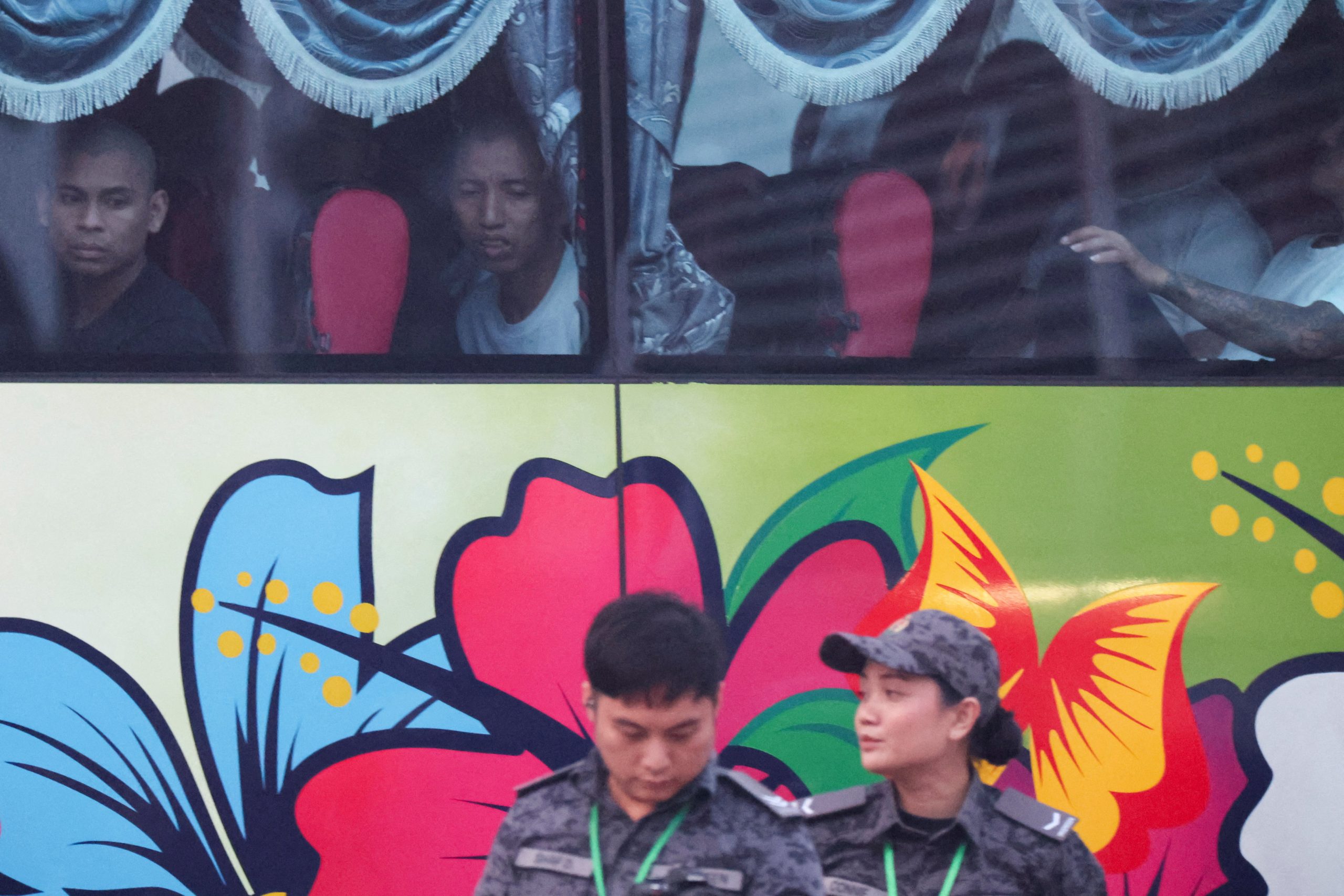
Malaysia’s decision to deport thousands of Myanmar nationals back to their homeland marks a dramatic shift driven by growing local hostility, economic anxieties, and political pressure on Prime Minister Anwar Ibrahim, according to analysis by the Armed Conflict Location & Event Data (ACLED).
Malaysia hosts 193,000 refugees and asylum-seekers from Myanmar, who make up more than 90 per cent of all registered with the U.N. High Commissioner for Refugees (UNHCR) in the country.
Historically, the local population maintained a sympathetic posture—particularly toward the persecuted Rohingya from Myanmar following the 2017 military crackdown in Arakan State that drove over 700,000 into neighbouring Bangladesh.
However, public sentiment has eroded significantly.
“Malaysians were initially welcoming towards Myanmar refugees, especially Rohingyas, seeing them as fellow Muslims whose lives were threatened for being a persecuted minority,” noted Sindy Ajara, Asia-Pacific Analyst at ACLED.
“Over time, however, the sentiment changed. Growing economic concerns, including fears of losing jobs to lower-paid immigrants and the narrative that their presence burdens public resources, shifted Malaysians’ hospitality into resentment.”
Ajara added that public friction has been further compounded by “concerns over the refugees’ hygiene standards and their involvement in criminal activities.”
Public backlash reached a peak this year when a petition demanding the immediate deportation of refugees gathered over 400,000 signatures online.
The hostility manifested in direct displacement incidents, including in the northern state or Penang, where over 100 Rohingya residents were forced out of their settlement by local residents in July.
After relocating to Kuala Lumpur to set up temporary tents outside the UNHCR office, the group was detained by local police for documentation checks.
The worsening public sentiment has coincided with a surge in state enforcement.
ACLED data logged over 170 mass arrests of foreign nationals in Malaysia through September 2026 alone—roughly half of which specifically targeted Myanmar nationals—representing a sharp increase compared to only a few dozen recorded in 2023.
In total, Malaysian authorities have detained over 57,000 immigrants this year.
Political necessity ahead of upcoming state elections has also shaped the administration’s posture.
“Malaysian Prime Minister Anwar Ibrahim, who had previously taken a more accommodating approach towards refugees, came under pressure as his coalition faced the possibility of losing the next election to the Barisan Nasional right-wing coalition,” Ajara explained.
“To reclaim support from conservative Malay-Muslim voters, he publicly agreed that Myanmar refugees had created fiscal and social burdens and stated that Myanmar had agreed to take them back, despite warnings from U.N. agencies and activists about their safety in Myanmar.”
To accelerate the repatriation framework, Prime Minister Anwar met with Myanmar’s regime leader Min Aung Hlaing in Kuala Lumpur on Oct. 8.
The summit marks Min Aung Hlaing’s fifth visit to an ASEAN member nation since mid-2026 as he seeks regional engagement and legitimacy following his inauguration as Myanmar’s president on April 10.
“Despite his civilian role, Min Aung Hlaing remains banned from ASEAN summits following the 2021 coup,” Ajara stated.
“This meeting may seek to mend ties with ASEAN, with Myanmar potentially offering to cooperate on the refugee issue to bolster legitimacy, despite the ongoing civil war”.
Human rights organizations and U.N. agencies continue to warn that sending individuals back to Myanmar exposes them to direct physical danger, active air strikes, and forced military conscription. Stateless Rohingya refugees remain especially vulnerable.
“Back in Myanmar, the refugees face risks from the ongoing conflict between the military and armed resistance groups, including the Arakan Army,” warned Ajara.
“Rohingyas are particularly vulnerable as they remain stateless, lack full citizenship rights, and are at risk of forced military recruitment. As Rohingya make up the majority of refugees in Malaysia, it is highly possible they would be among the ones being sent back sooner rather than later.”
Ajara cautioned that Putrajaya’s policy sets a dangerous precedent for the broader region.
“Without any meaningful action to resolve the civil war in Myanmar, the repatriation remains a risky move, putting immediate danger to the refugees’ lives, especially for the Rohingyas.”
Min Aung Hlaing’s regime may seek greater international legitimacy through cooperation on the refugee issue, which may facilitate further deportations. Other host countries, such as Bangladesh, Thailand, and India, could follow suit, putting the lives of 1.6 million Myanmar refugees at greater risk.