


The government in Dhaka has formally proposed importing natural gas from Myanmar through a cross-border pipeline to Chattogram to revitalize bilateral energy cooperation and address mounting domestic energy shortages, Bangladesh media reported.
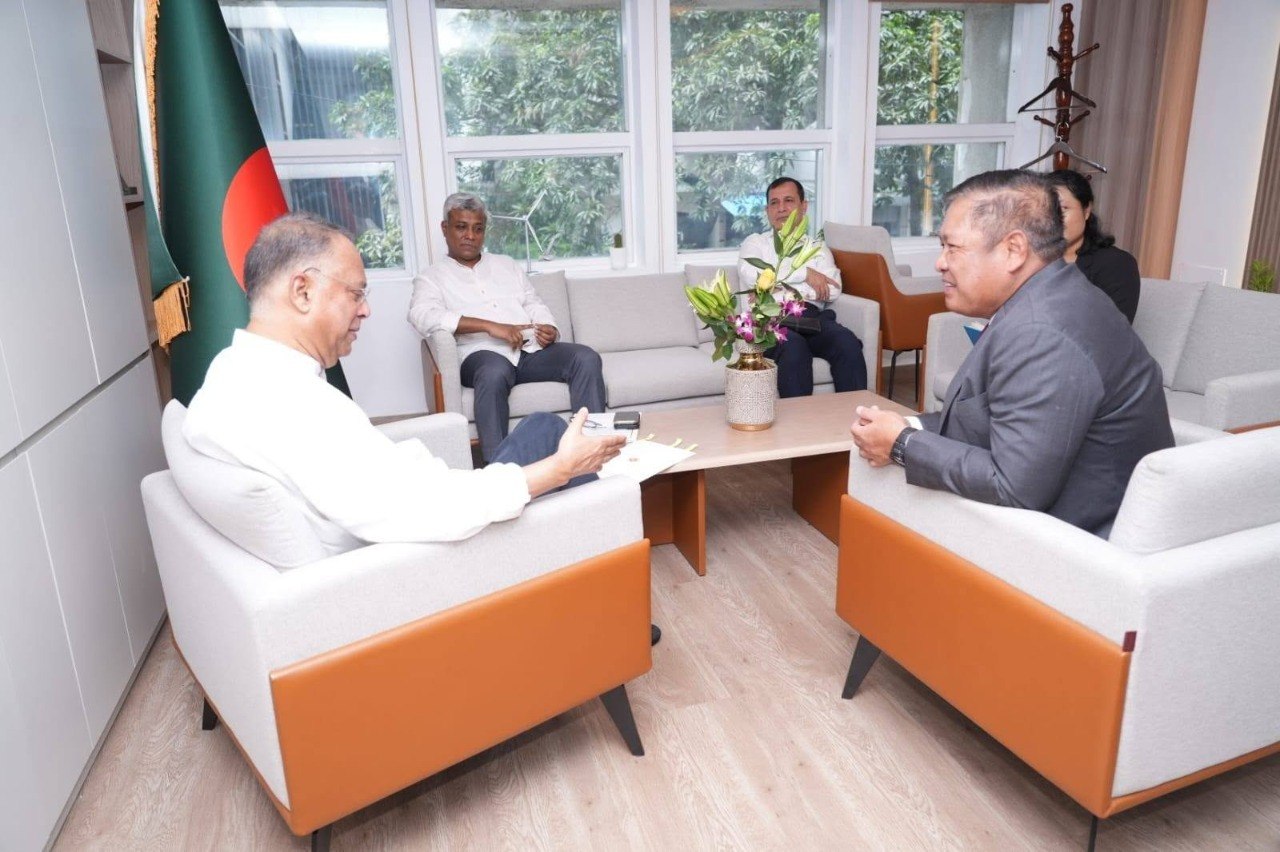
The initiative was presented on Aug. 2 by Bangladesh Power, Energy, and Mineral Resources Minister Iqbal Hassan Mahmood during a meeting with Myanmar’s regime Ambassador to Bangladesh, Kyaw Soe Moe, at the Secretariat in Dhaka.
Pipeline Proposal and Broader Regional Infrastructure
Declining domestic natural gas production has left Bangladesh increasingly reliant on costly imported liquefied natural gas (LNG).
To secure long-term energy supplies, Dhaka seeks to revive a long-standing proposal to build a pipeline linking gas fields in Myanmar directly to southeastern Bangladesh.
- LNG & Ministerial Talks: Regime ambassador Kyaw Soe Moe welcomed the proposal and suggested that short-term LNG shipments could also be discussed. Minister Mahmood proposed holding ministerial-level talks in Dhaka with the regime’s Energy Minister Ko Ko Lwin and indicated readiness to travel to Myanmar to advance negotiations.
- Regional Connectivity Alignment: Mahmood highlighted that a bilateral pipeline aligns with the proposed China–Myanmar–Bangladesh Economic Corridor, an initiative discussed during Bangladeshi Prime Minister Tarique Rahman’s recent state visit to Beijing with Chinese President Xi Jinping.
- Technical Committee Review: Kyaw Soe Moe recommended convening the Bangladesh–Myanmar Joint Technical Committee to review the pipeline’s technical and financial feasibility, though no firm timeline was announced.
Rohingya Repatriation Talks and Bilateral Context
The energy negotiations take place alongside ongoing, complex discussions regarding the repatriation of over one million Rohingya refugees residing in camps in Cox’s Bazar and Bhasan Char.
Most fled northern Arakan State during military “clearance operations” in 2016–2017—actions now subject to an ongoing genocide case at the International Court of Justice (ICJ).
- National Action Plan Committee: On July 12, the Bangladeshi government formed an 11-member committee chaired by Prime Minister Tarique Rahman to draft a comprehensive national action plan for refugee repatriation within 90 days.
- Verification Discussions: The energy meeting follows a June 9 session in Naypyidaw between the regime’s Foreign Minister Tin Maung Swe and Bangladeshi Ambassador Md. Monwar Hossain, where regime officials presented updates on the verification status of Rohingya refugees identified as former Arakan State residents.