


Myanmar’s National Unity Government (NUG) and the Karen National Union (KNU) have welcomed the landmark International Court of Justice (ICJ) judgment finding Myanmar responsible for genocide against the Rohingya, emphasizing that the same military apparatus behind the 2017 atrocities continues to perpetrate widespread crimes against civilians nationwide since the February 2021 coup—even as the military regime in Naypyidaw dismissed the World Court’s decision as “unfair.”
In a historic ruling delivered in The Hague on Thursday, the ICJ ruled by a 9–6 vote that the Republic of the Union of Myanmar committed state-sponsored genocide against the Rohingya group in northern Arakan State during its 2017 military crackdown, violating the 1948 Convention on the Prevention and Punishment of the Crime of Genocide in a case brought by The Gambia in November 2019.
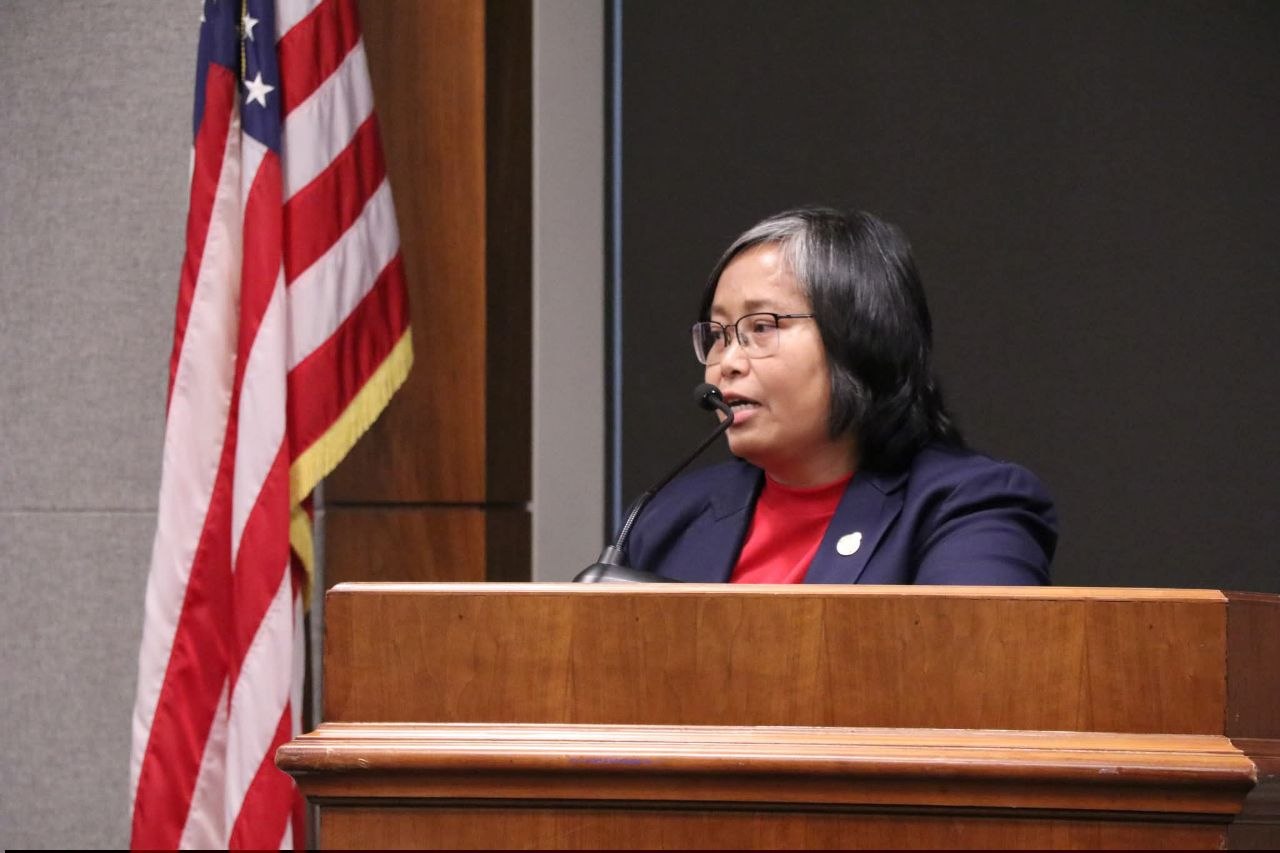
Speaking to DVB, NUG Foreign Affairs Minister Zin Mar Aung hailed the verdict as a watershed moment for accountability after decades of domestic impunity:
“This ruling is a very significant turning point in the history of Myanmar’s pursuit of justice. I also see it as a starting point, a beginning.”
Zin Mar Aung noted that the judgment opens a vital international pathway toward justice where domestic legal mechanisms have failed.
In a formal statement issued on Friday, the Karen National Union (KNU)—Myanmar’s oldest ethnic armed resistance organization—similarly endorsed the ICJ’s findings that the military committed genocidal acts and called for independent international oversight to guarantee full implementation of the ruling, restitution for survivors, and safe, dignified repatriation.
The KNU stressed that the same military “continues to commit atrocities against civilian communities across Burma.”
Both the NUG and KNU urged the international community to translate the ICJ ruling into concrete enforcement measures—calling on foreign governments to strengthen accountability mechanisms and immediately halt the flow of arms, aviation fuel, and financial resources to the military regime.
Naypyidaw, however, rejected the World Court’s verdict. Addressing a press conference in Naypyidaw on Friday, regime spokesperson Khaing Khaing Soe dismissed the ruling as “unfair,” pointing to the 9–6 split on the bench: “Not all 15 judges agreed with the decision,” she said. “So it was not a decision made unanimously.”