


Guest contributor
James Shwe
Temporary Protected Status (TPS) for people from Myanmar in the United States is scheduled to end on January 26, even though Myanmar remains engulfed in civil war and humanitarian catastrophe.
This decision is already ripping through Burmese communities in America—driving fear, despair, and at least one reported suicide attempt by a young Burmese woman who saw no future once TPS ends and deportation to a war zone became a real possibility.
What TPS is and why it was granted
TPS is a humanitarian protection under U.S. immigration law for people who cannot safely return home because of armed conflict, a natural disaster, or other extraordinary conditions.
It shields eligible people from deportation and grants them work authorization after security vetting, allowing them to live and work while their country remains unsafe to return to.
Myanmar was designated for TPS in 2021 after the February 1 military coup, when the United States acknowledged widespread atrocities, political repression, and state collapse.
The designation was extended and redesignated as fighting escalated, displacement surged, and disasters such as the 2025 earthquake deepened the humanitarian crisis.
For thousands of Burmese in the U.S., TPS became a life‑saving bridge—enabling them to support their families, send remittances to internally displaced persons (IDPs) in resistance areas, and participate openly in advocacy for Myanmar’s democracy.
Termination, its stated justification, and consequences
In November, the U.S. administration announced that TPS for Burma would terminate at 11:59 p.m. on January 26, 2026, after a short transition period.
Officials claimed Myanmar no longer met TPS criteria, pointing to the lifting of the formal state of emergency, a supposed election “roadmap,” and talk of an emerging ceasefire.
These claims clash with extensive evidence of continued civil war, aerial bombardment of civilians, persecution of ethnic and religious minorities, mass displacement, and economic collapse.
The U.S. State Department still warns Americans not to travel to Myanmar due to armed conflict, arbitrary detentions, and collapsed services, highlighting how unsafe conditions remain.
For an estimated 3,000–4,000 Burmese TPS holders, the termination means:
- Eventual loss of protection from deportation and expiration of work permits unless they secure another form of status.
- A brutal choice among returning to danger, slipping into undocumented status in the U.S., or navigating difficult and uncertain immigration pathways.
- Intensifying psychological harm—community advocates have reported surging anxiety, sleeplessness, and depression, including a young Burmese woman in the U.S. who attempted suicide under the stress of impending loss of TPS and fear of being forced back into a conflict zone.
The impact on Myanmar’s resistance to military rule
Myanmar TPS holders are not just “recipients” of protection; they are on the frontline of the resistance to military rule. They send remittances to families and IDPs, support civil society and resistance structures, fund humanitarian aid, and lobby governments and international bodies to pressure the junta.
Terminating TPS undermines that effort by:
- Cutting lawful income that sustains remittances and political fundraising.
- Silencing activists who may retreat from public advocacy out of fear that visibility could increase their risk of detention or deportation.
- Sending a symbolic message that powerful democracies are ready to “normalize” the situation, weakening global solidarity narratives that the resistance depends on.
At the same time, the junta has seized this decision as a propaganda gift. Junta media and military information channels frame the U.S. termination of TPS as proof that “the world recognizes stability returning to Myanmar” and that “even Western countries now accept the [junta’s] roadmap.”
They point to the U.S. decision in speeches and broadcasts as supposed evidence that:
- The crisis is “overblown” and only “terrorists” and “illegal migrants” want to stay abroad.
- International partners quietly accept the junta’s version of normalcy, despite public statements to the contrary.
This propaganda line, though false, is powerful. It is used to demoralize resistance communities, to pressure refugees and migrants to return, and to argue that sanctions and international criticism are outdated and unjustified.
In reality, the TPS termination reflects political choices inside the U.S., not genuine improvement in Myanmar’s conditions—but the junta’s exploitation of it shows how dangerous the decision is beyond U.S. borders.
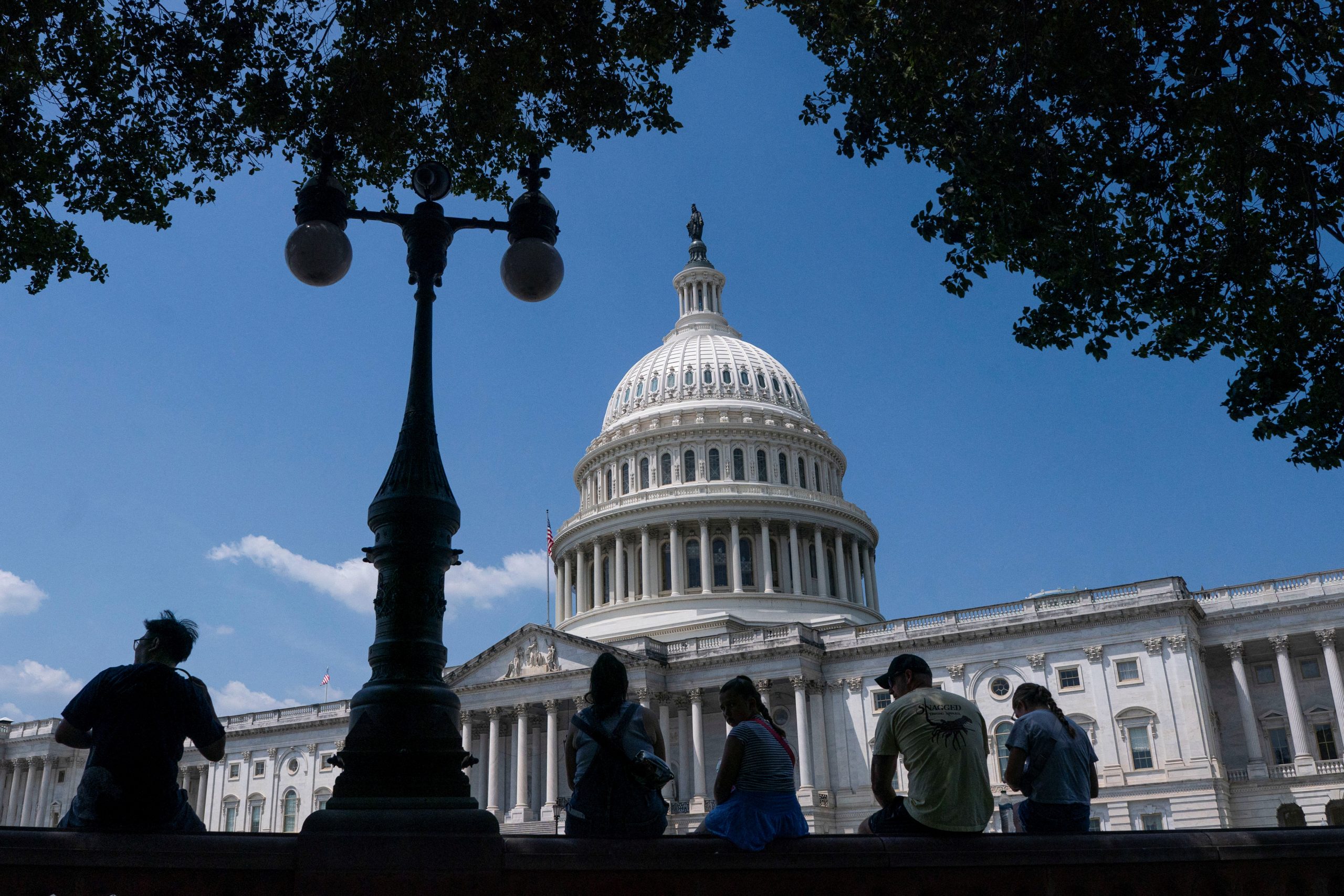
Congressional action: The Huizenga Bill
Despite the administration’s decision, a growing, bicameral group in Congress is pushing back—though these efforts remain long shots.
In the House:
- Representative Tim Kennedy led a December 9 letter, joined by multiple colleagues, urging the administration to reverse the TPS termination and redesignate Burma. The letter warns that about 4,000 Burmese nationals will otherwise be deported to conditions where they have “little to no quality of life,” and criticizes the justification for termination as speculative and disconnected from the reality of ongoing atrocities.
- The letter highlights the economic and social contributions of Myanmar TPS holders in regions like Western New York and the Midwest and notes that entire communities would be “upended” if TPS is not restored.
In the Senate:
- A coordinated letter led by Senator Chris Van Hollen, joined by senators including Tammy Duckworth, Amy Klobuchar, Michael Bennet, Kirsten Gillibrand, and Tim Kaine, calls on the administration to reverse the termination.
- The senators argue that ending TPS is inconsistent with the continuing crisis in Myanmar and with U.S. strategic and moral interests, and they press for full implementation of the BURMA Act and support for international accountability for junta crimes.
Legislation:
- Representative Bill Huizenga has introduced a bipartisan bill (H.R. 7014) to redesignate Myanmar for TPS and effectively reverse the termination. The bill would direct the administration to restore TPS protection and work authorization for Burmese nationals while conditions remain unsafe.
- Supporters describe the bill as a humanitarian and commonsense measure, stressing that forced return now would expose people to persecution and undermine local U.S. communities that rely on Burmese workers and neighbors.
These congressional efforts—letters, statements, and the Huizenga bill—are essential, but in the current political climate they remain long shots, not guarantees.
Can there be temporary respite?
On the legal front, Burmese TPS holders, with backing from Asian American and immigrant‑rights organizations, have filed a federal lawsuit challenging the termination as unlawful.
A class-action lawsuit was filed in December by Burmese TPS holders, represented by the Asian American Legal Defense and Education Fund (AALDEF) and other rights groups.
The case argues that the government misrepresented conditions in Myanmar and violated statutory requirements in deciding to end TPS, and it asks the court to block the termination and preserve protections while the case proceeds.
In previous TPS cases for other countries, courts have sometimes granted temporary injunctions that “freeze” terminations and allow TPS and work authorization to continue during litigation. If a judge does something similar for Myanmar, this could provide a crucial, but temporary, breathing space.
A judge in the Northern District of Illinois scheduled a hearing on January 20 for the motion to postpone the TPS termination for Myanmar from going into effect. The judge is expected to issue a ruling on the issue before the January 26 termination date
However:
- There is no guarantee that any injunction will be granted.
- Any relief could be narrowed or overturned on appeal.
- Even a successful injunction would be time‑limited and tied to the life of the case, not a permanent immigration solution.
In parallel, advocacy groups like the U.S. Committee for Refugees and Immigrants (USCRI) are actively calling for Deferred Enforced Departure (DED) as an alternative if TPS is not restored.
Deferred Enforced Departure (DED) is a separate presidential tool that can pause deportations and grant work authorization even if TPS ends. DED rests on presidential discretion and foreign‑policy judgment; it can offer real protection, but it can also be revoked quickly and cannot be demanded as a legal right.
Together, the lawsuit, DED advocacy, and the Huizenga bill create multiple potential avenues for temporary respite. Yet all of them are uncertain and politically fragile.
What Myanmar must understand
Because these collective remedies are uncertain, every Burmese TPS holder must act now as if no systemic rescue is guaranteed. That means seeking immediate, high‑quality legal advice to explore:
- Asylum or withholding of removal for those with a well‑founded fear of persecution, including for political activity, ethnicity, religion, or links to the resistance.
- Family‑based pathways for people with or soon-to‑be U.S. citizens or permanent resident relatives.
- Student or work visas were realistically available.
- Possible future programs like DED, if granted, which may require individual applications to benefit.
These routes are complex, competitive, and often long shots—but they may be the only individualized options available. Acting early, gathering documents, and connecting with reputable legal service providers is critical.
Psychologically, the community is already at a breaking point. Advocates report widespread anxiety and panic; the documented suicide attempt by a young Burmese woman in the U.S. is a tragic warning.
Families, community organizations, and faith leaders must treat mental‑health support—counseling, peer groups, hotlines, and safe spaces are essential, and they must watch closely for signs of crisis.
For the wider Myanmar public and diaspora, one message is crucial: TPS is not a small technical matter. It is a pillar of the global support structure for the revolution.
The junta has already twisted the U.S. decision into propaganda to claim restored “normalcy” and international acceptance, while in reality conditions remain catastrophic.
The letters from Rep. Kennedy and Senator Duckworth and colleagues, the Huizenga bill, calls for DED, and the lawsuit backed by Asian American and immigrant‑rights groups show that many in the U.S. reject the junta’s narrative and stand with the Burmese people.
Sustaining that solidarity, defending TPS holders, and exposing junta propaganda are all part of the same fight for Myanmar’s freedom.
James Shwe is a Myanmar democracy activist in the U.S. and is a member of the advocacy groups Free Myanmar and the Los Angeles Myanmar Movement. He has been trying to organize and motivate the Myanmar diaspora to advocate for democracy in Myanmar.
DVB publishes a diversity of opinions that does not reflect DVB editorial policy. We’d like to hear what you think about this or any of our stories: [email protected]