


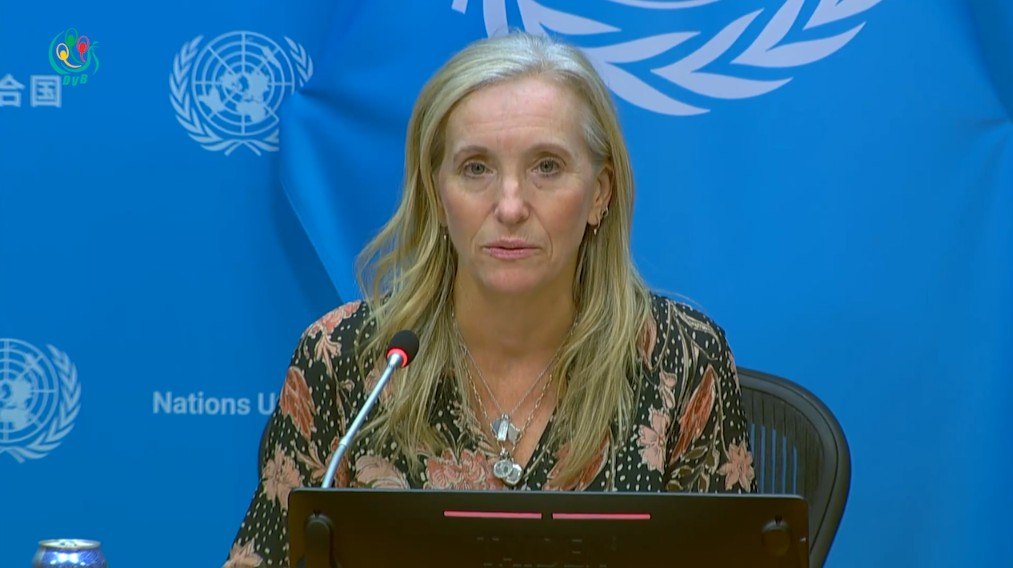
Safe, dignified, and durable returns for more than 1.2 million Rohingya refugees from Myanmar sheltering in Bangladesh remain impossible amid intensifying armed conflict and ongoing rights abuses across Arakan State, United Nations Special Rapporteur on human rights in Myanmar Kelley E. Currie warned on Wednesday after concluding an eight-day official visit to Bangladesh.
“At this time, the path to peace in Myanmar does not run through Naypyidaw,” Currie said at a press conference in Dhaka at the conclusion of her November 11–18 mission
Currie blamed primary responsibility for the crisis on the regime in Naypyidaw while noting that Rohingya and other marginalized communities in Myanmar continue to suffer severe repression and deprivation of basic rights in territories controlled by both the military and the Arakan Army (AA).
Her remarks came on the eve of the International Court of Justice’s (ICJ) landmark Nov. 19 judgment in The Gambia’s genocide case against Myanmar—a ruling Currie described as a pivotal test for ending decades of impunity.
“The crimes committed against the Rohingya people—from dispossession and denial of identity to forced displacement, torture, sexual violence and murder—did not begin or end in 2017, and the perpetrators of these crimes had and still have a strong expectation of impunity,” stated Currie.
Currie emphasized that if the ICJ recognizes the atrocities as genocide, it will become the duty of all nations to support the full implementation of the judgment—while adding that regardless of the verdict, Rohingya survivors and their global allies will never abandon their pursuit of justice and accountability.
During her mission, which included high-level consultations in Dhaka and field visits to Cox’s Bazar, Currie welcomed steps taken by Bangladesh’s newly elected Prime Minister Tarique Rahman to establish a special committee drafting a comprehensive strategy for voluntary and dignified Rohingya returns.
But Currie sounded the alarm over an acute humanitarian funding collapse, noting that refugee assistance budgets in Bangladesh have fallen to an all-time low even as the population in need—bolstered by new arrivals fleeing fighting in Arakan since 2024—has reached an all-time high.
Steep cuts to protection, education, livelihoods, and non-emergency healthcare, combined with lawlessness and the presence of armed groups and criminal gangs inside the camps, have fuelled rising gender-based violence, child abduction fears, drug trafficking, human smuggling, armed recruitment, and online gambling.
Urging policymakers to shift away from a short-term “charity” model toward a rights-based approach that grants refugees agency and genuine representation, Currie urged regional states to back inclusive political dialogue involving the Rohingya and all key stakeholders.
She will present her full report and formal recommendations on the visit to the U.N. Human Rights Council in March 2027.