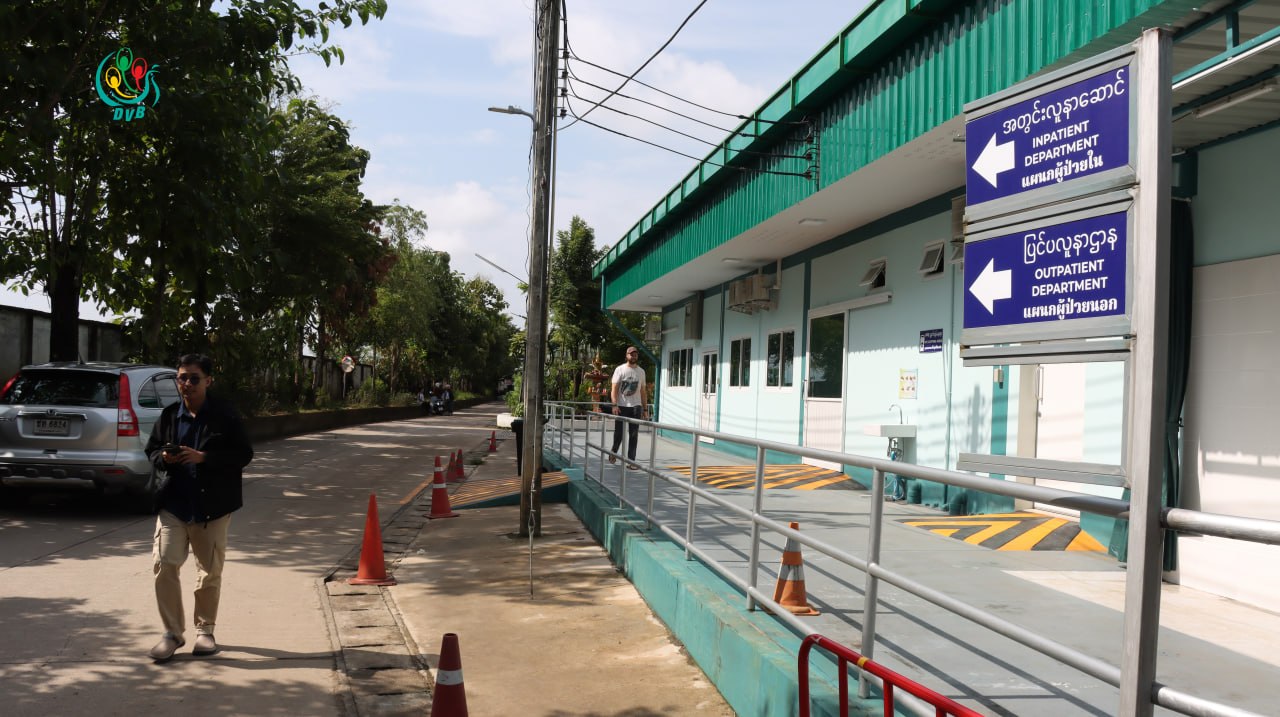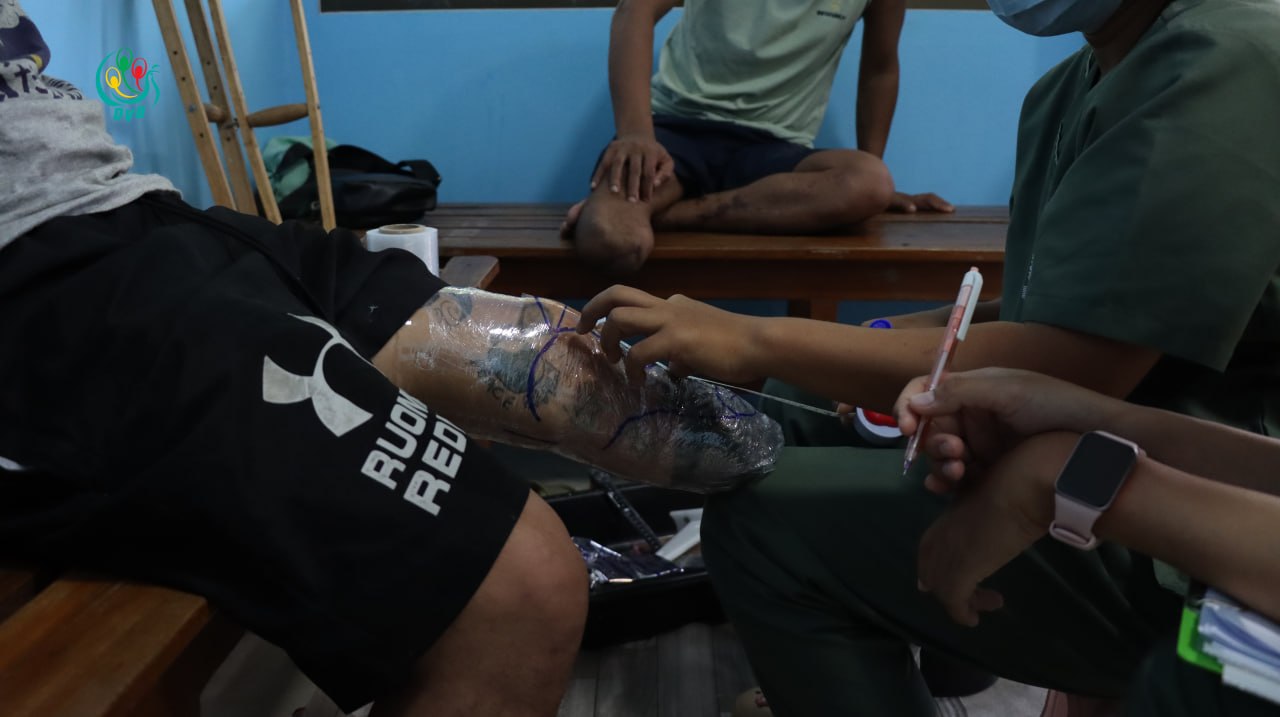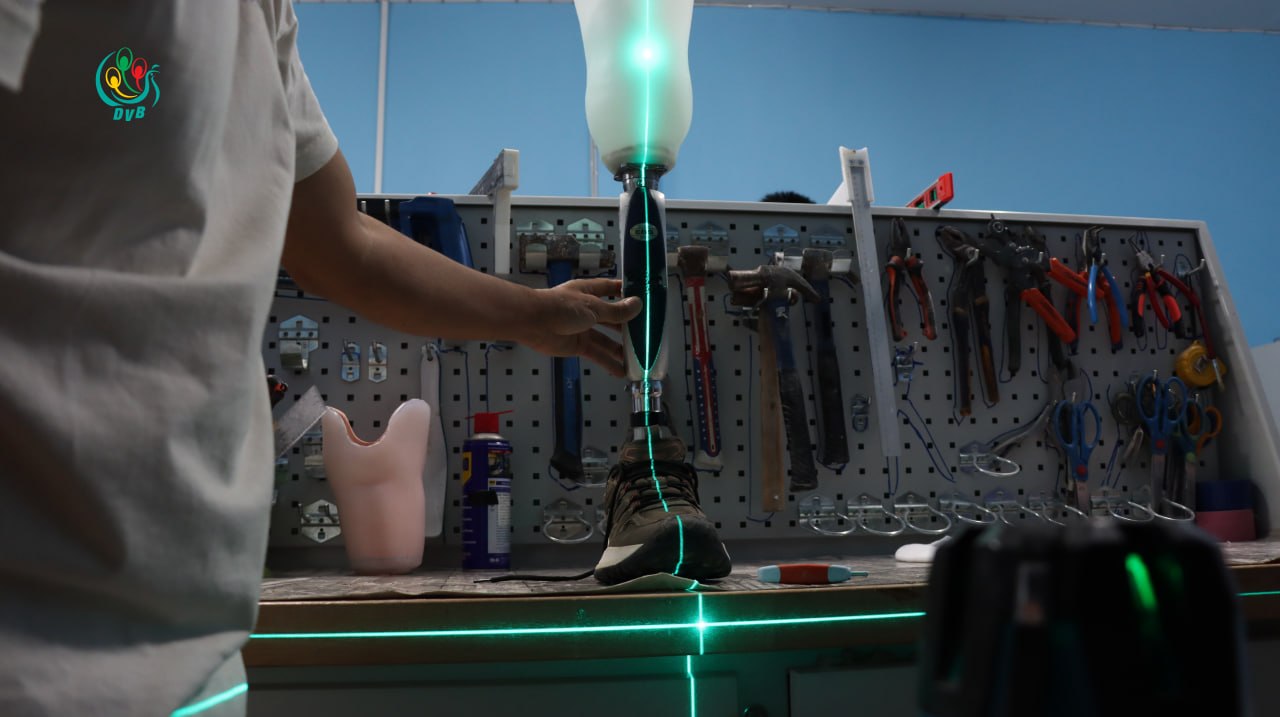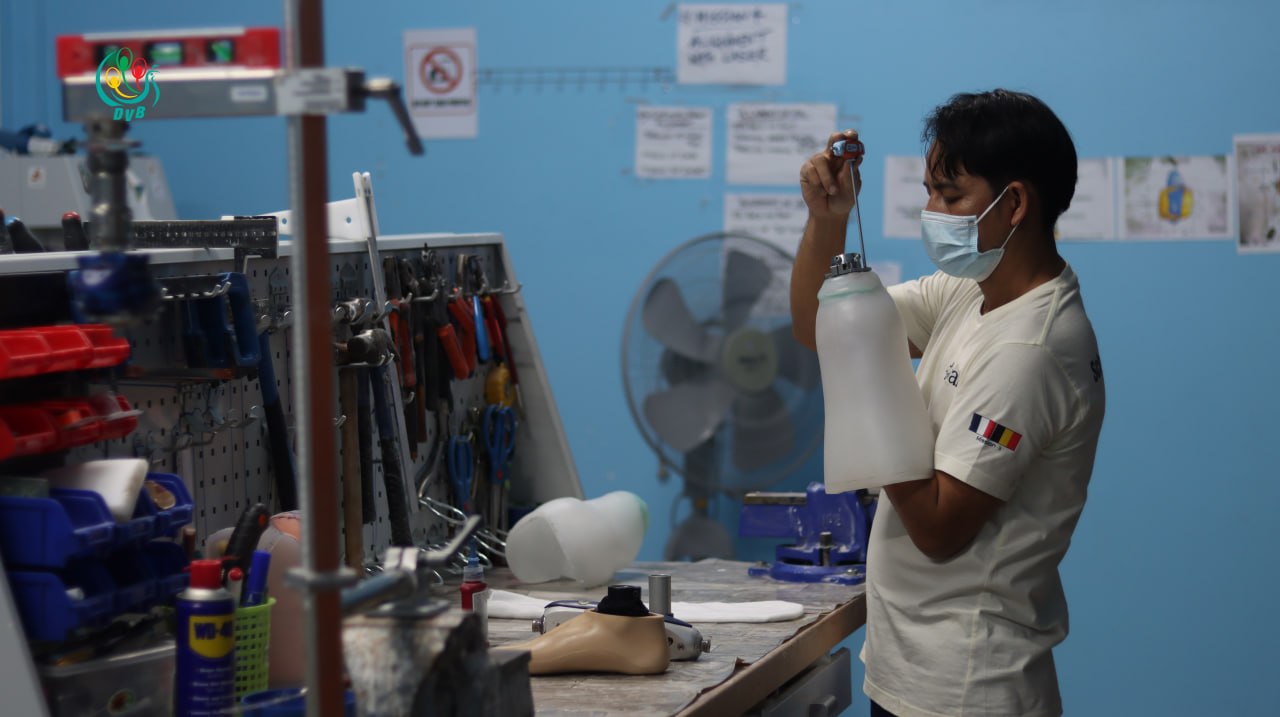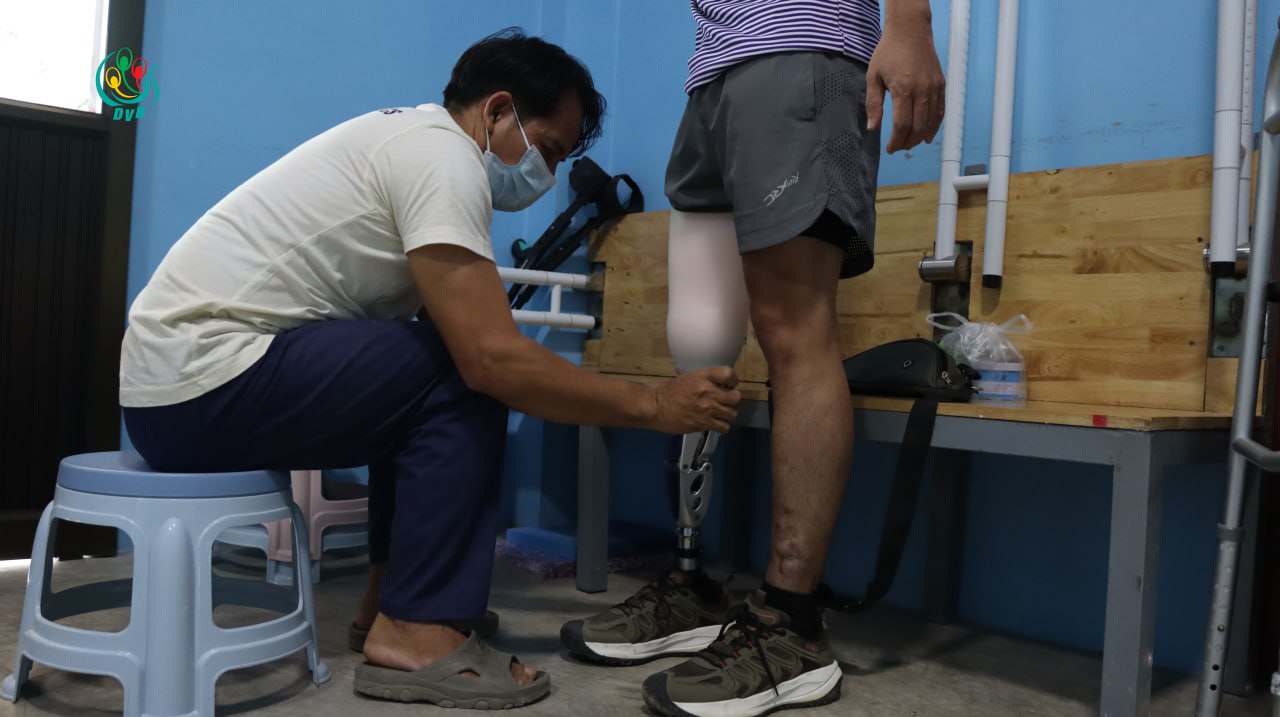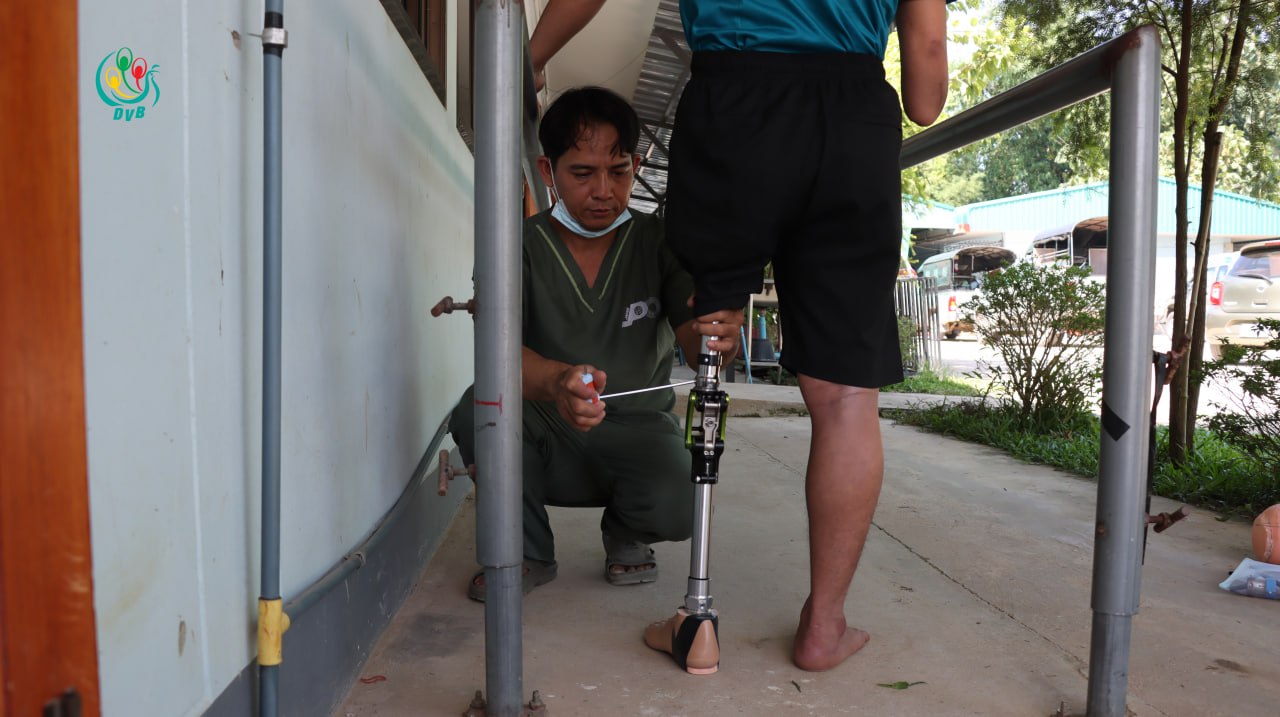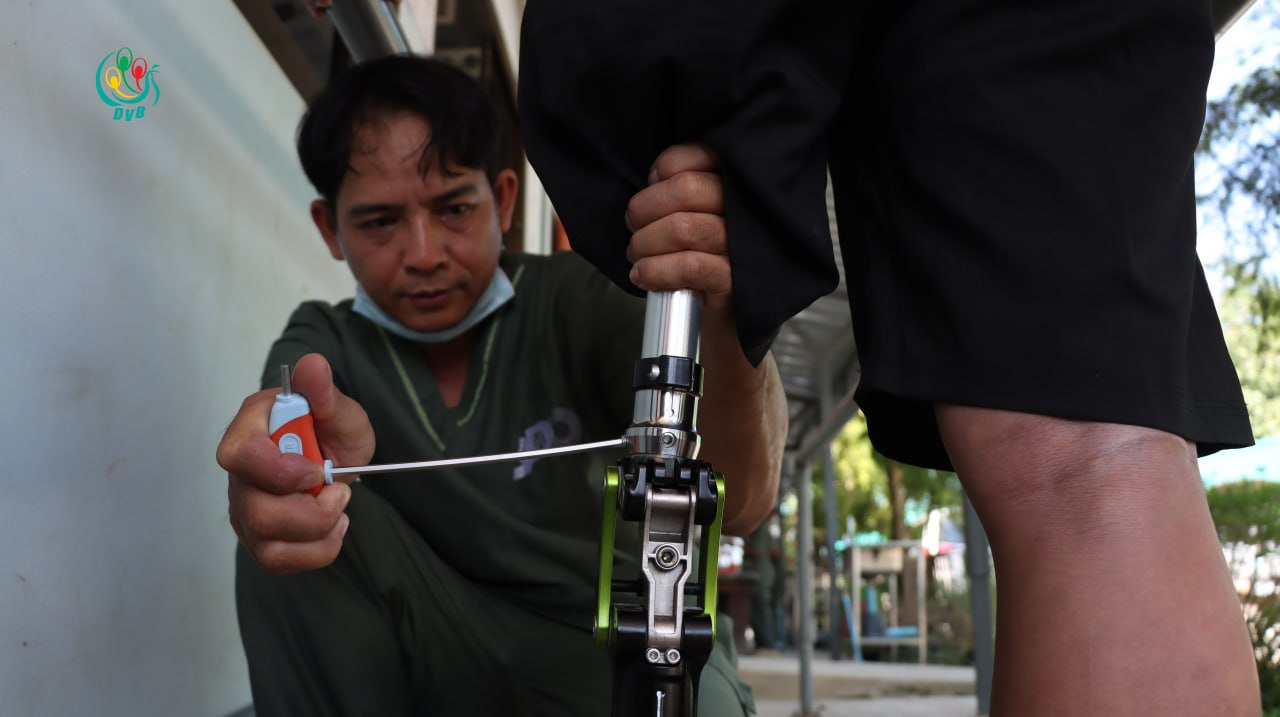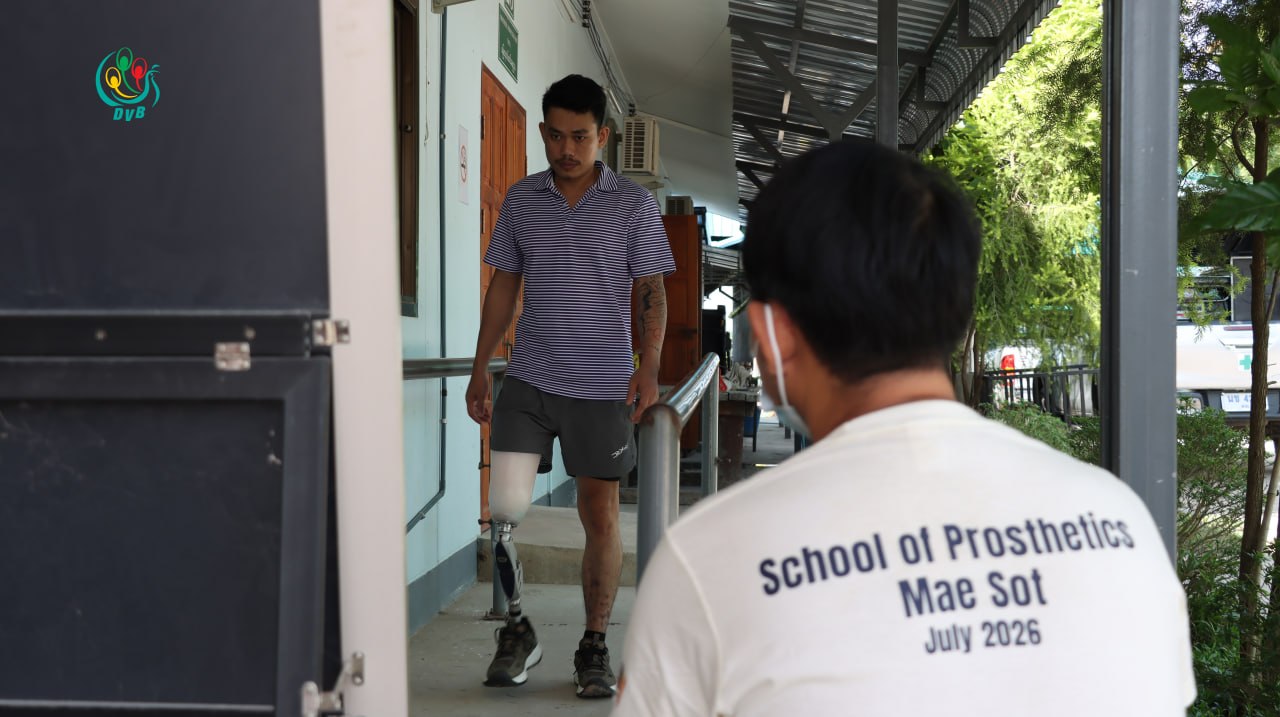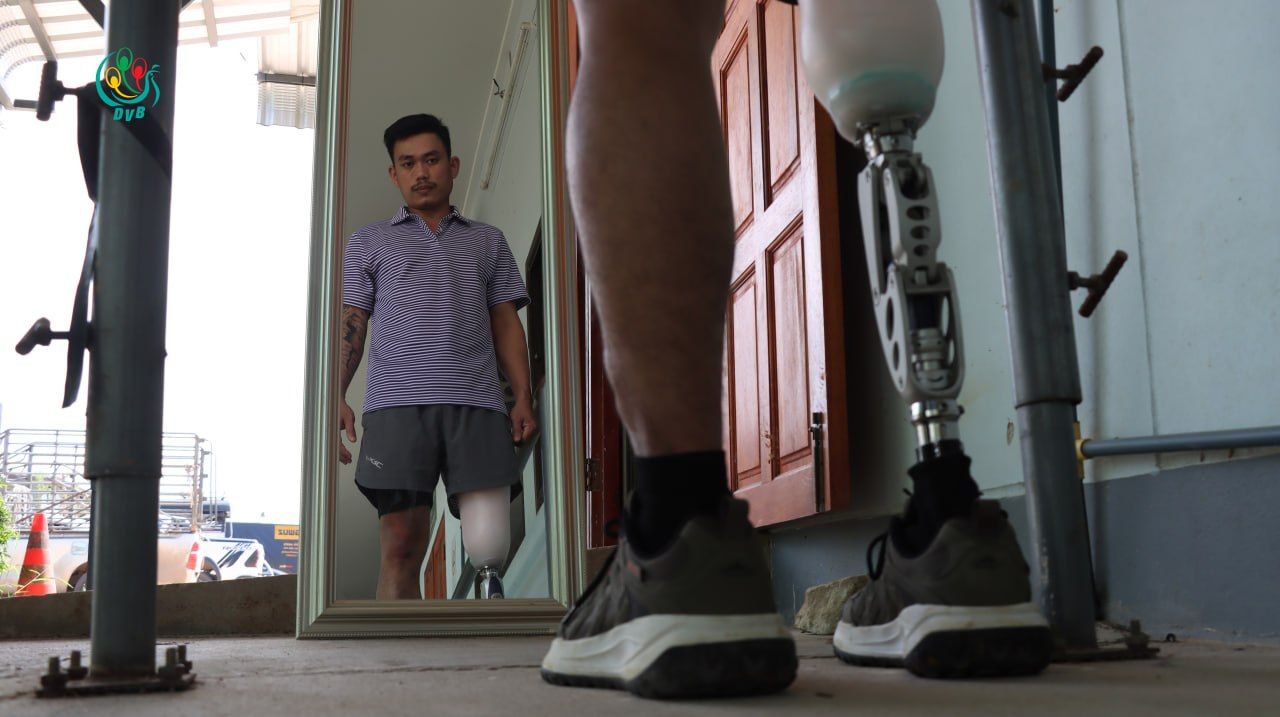


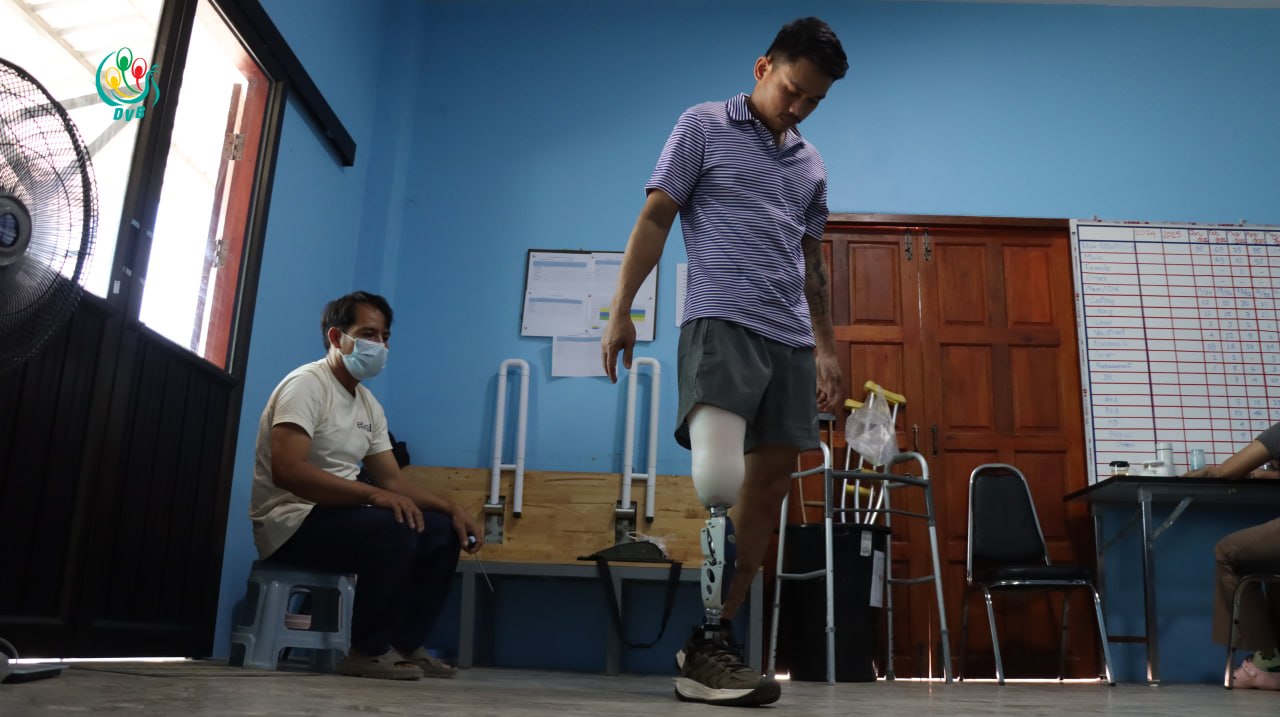
After losing his leg to a landmine blast in Myanmar, Ko Paing undertook an arduous cross-border journey from his home in Bago Region, evading checkpoints and conflict zones to reach the Mae Tao Clinic on the Thai-Myanmar border.
His goal was straightforward: regain the ability to walk.
Fitted with an artificial limb, Ko Paing described the profound personal transformation brought about by free rehabilitative care: “Before I got this prosthetic, from the moment I woke up, I felt frustrated having to rely on others even for personal tasks. But now, I no longer need to depend on anyone. It feels like having both my legs back, and I can do almost everything on my own.”
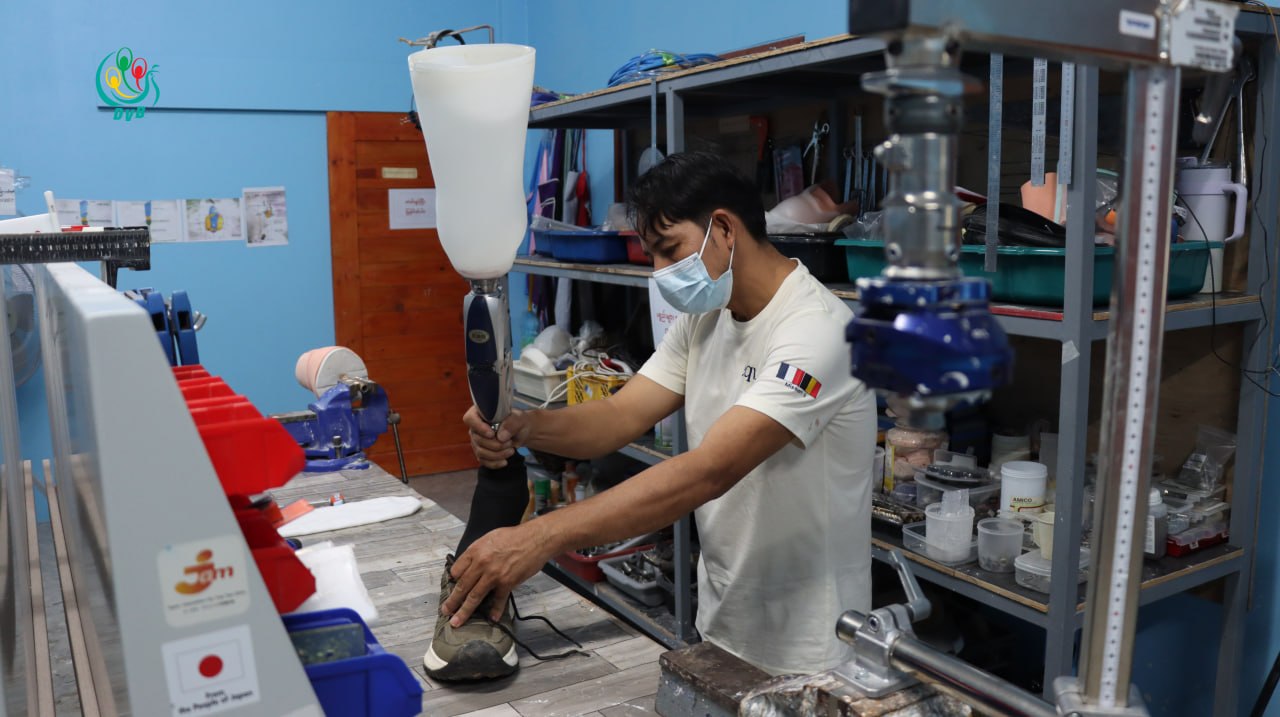
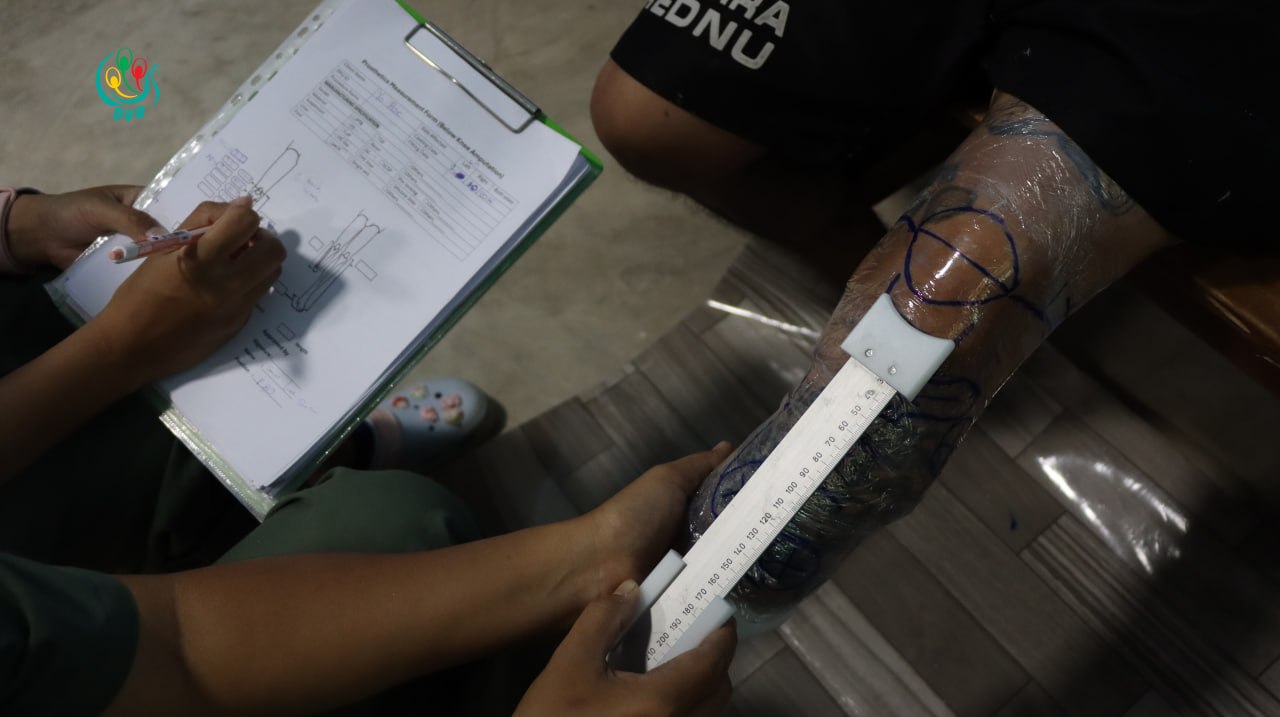
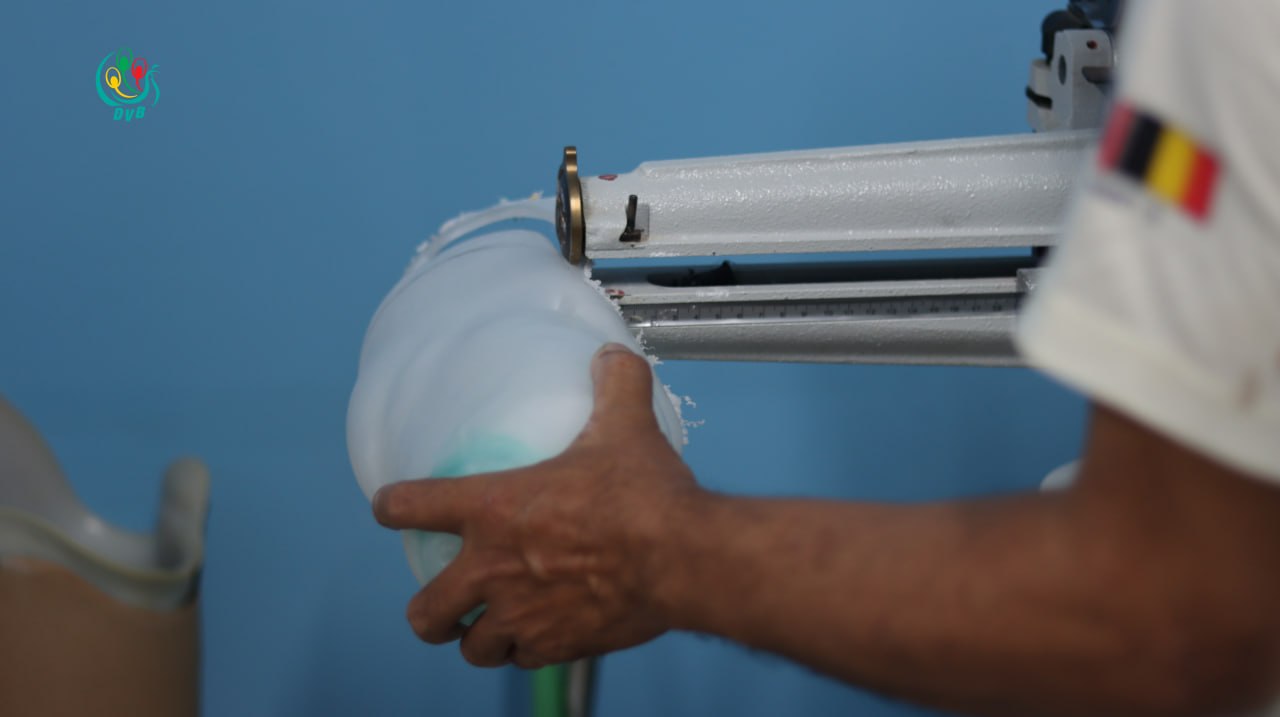
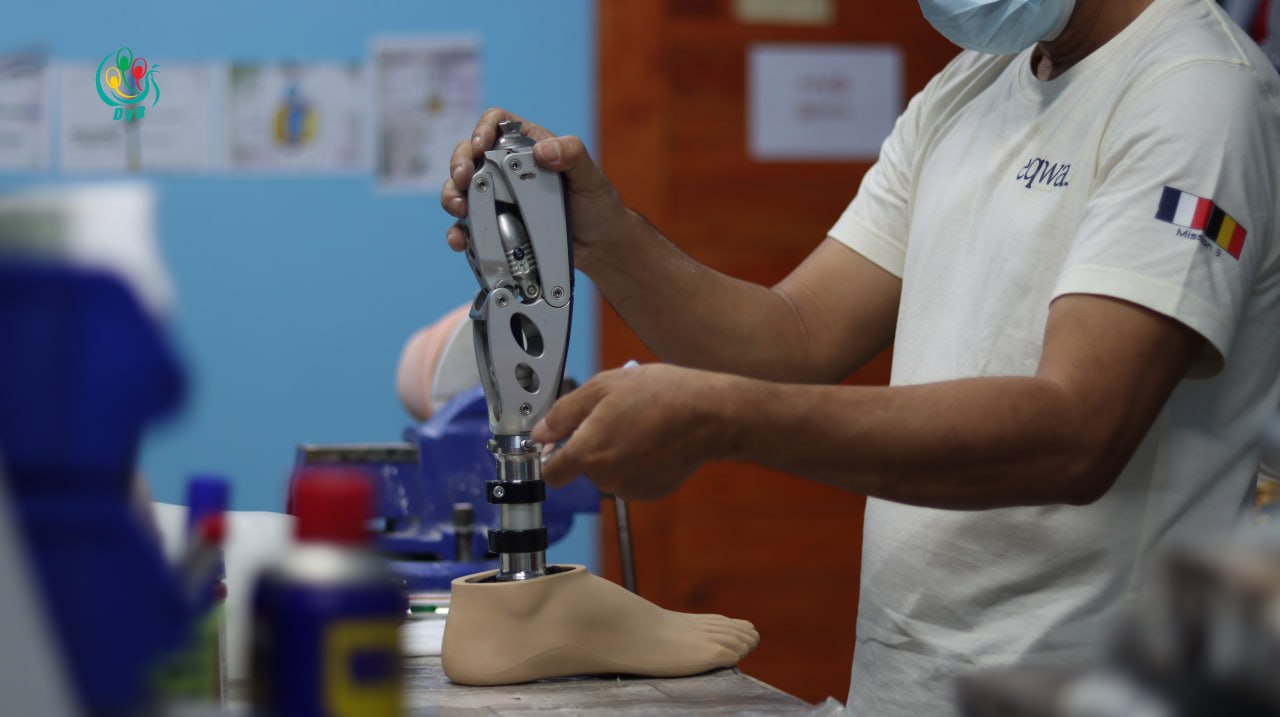
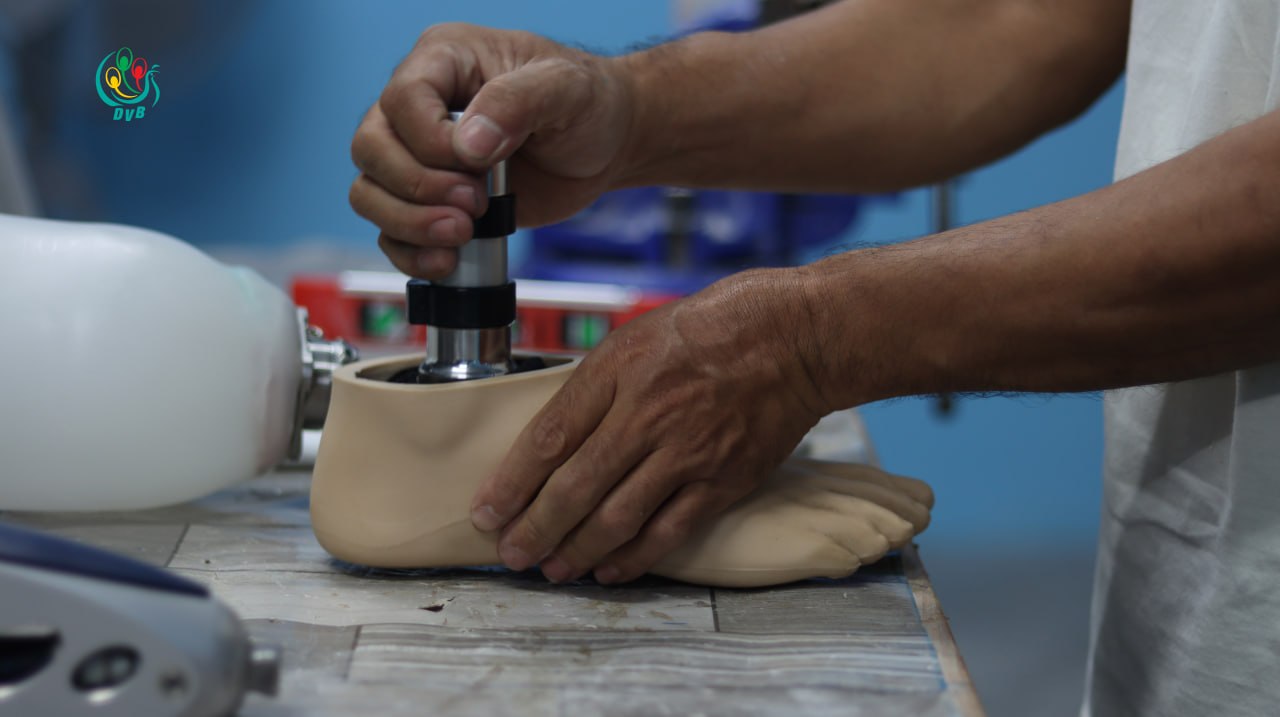
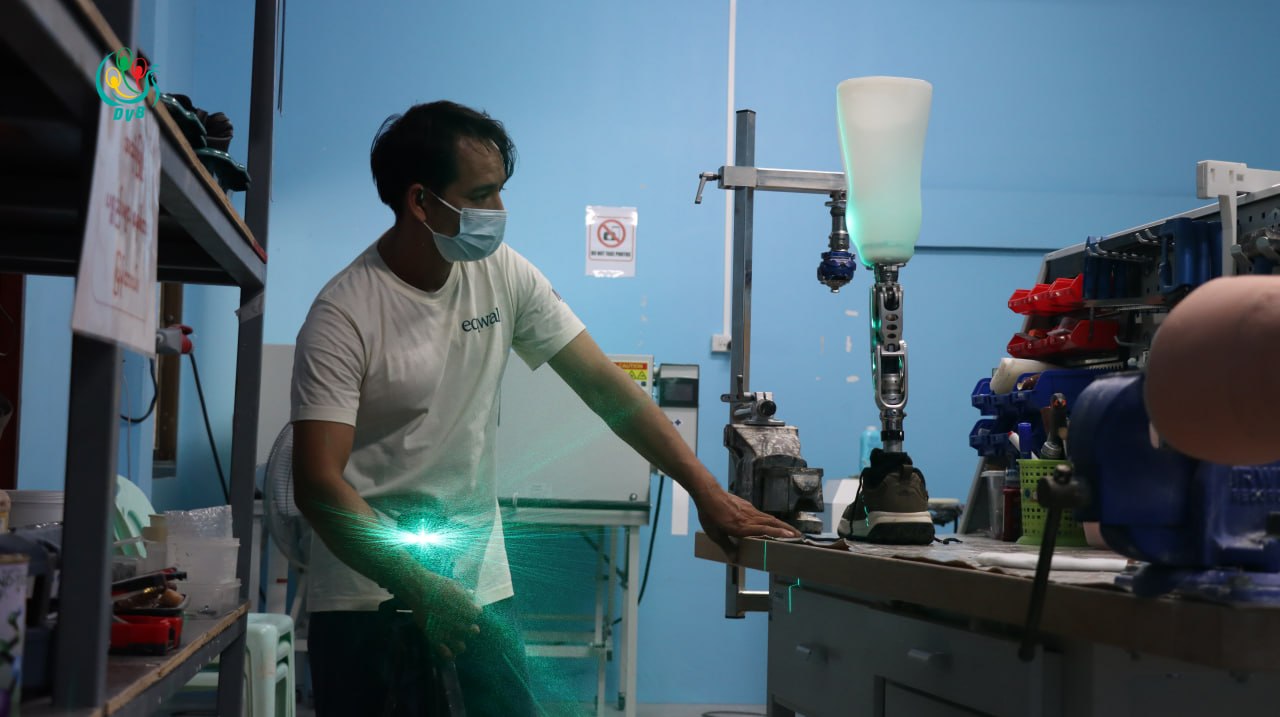
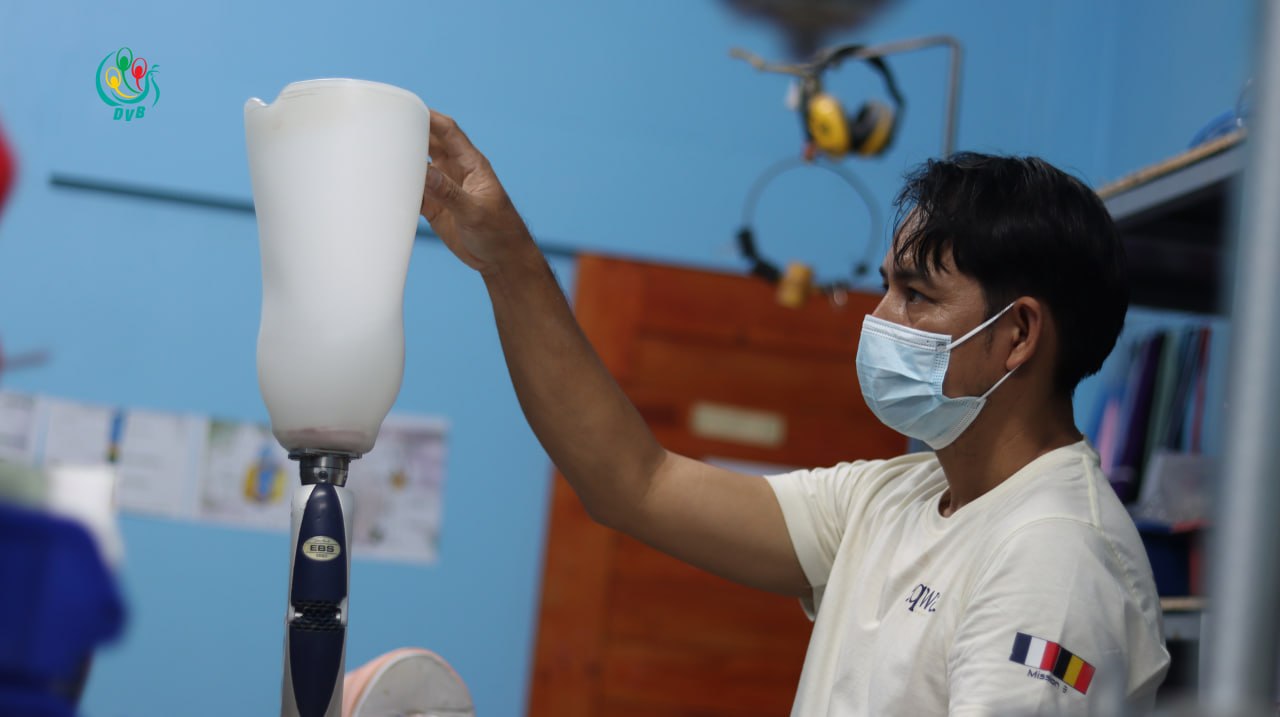
Since its inception in 2024, the clinic’s Four Rivers-ACTS Foundation prosthetics department has manufactured and fitted custom artificial limbs for 300 conflict amputees free of charge.
Saw Lar Su, a prosthetics technician at the clinic, emphasized that the unit’s caseload directly reflects the relentless toll of the post-coup war on civilians: “Most of the patients who come to us are internally displaced persons from inside Myanmar—people whose villages were bombed by airstrikes or hit by artillery.”
Despite the heavy costs and hazards associated with crossing militarized frontier corridors, the program removes all economic obstacles for survivors. “There are absolutely no costs for the prosthetics. The clinic even provides patients with a daily allowance for meals and drinks from their donation funds,” Ko Paing added.
Backed by international donors, including humanitarian partners from Japan, the department is actively preparing mobile outreach initiatives to fit and rehabilitate amputees trapped inside frontline regions who are physically unable to undertake the perilous crossing to the border.
Founded over three decades ago by Dr. Cynthia Maung, the Mae Tao Clinic continues to serve as an indispensable medical sanctuary and lifeline for hundreds of thousands of refugees, migrant workers, and war-wounded civilians cast adrift by Myanmar’s escalating civil conflict.