


Human rights groups working with ethnic Karenni from Myanmar in Thailand told DVB that Thai authorities are compiling lists of refugees inside the nine camps along the Thai-Myanmar border to see who qualifies for the new work permit, a pilot project that began on Oct. 1.
Maw Pray Myar, the chairperson of the Karenni National Women’s Organization (KNWO), told DVB that the process has started with Thai officials and camp committees visiting refugees in September to register those eligible to work.
Thailand’s Department of Employment states that the pilot work program began after a Cabinet resolution on Aug. 26, which legally permits Myanmar refugees to work in 43 provinces of Thailand.
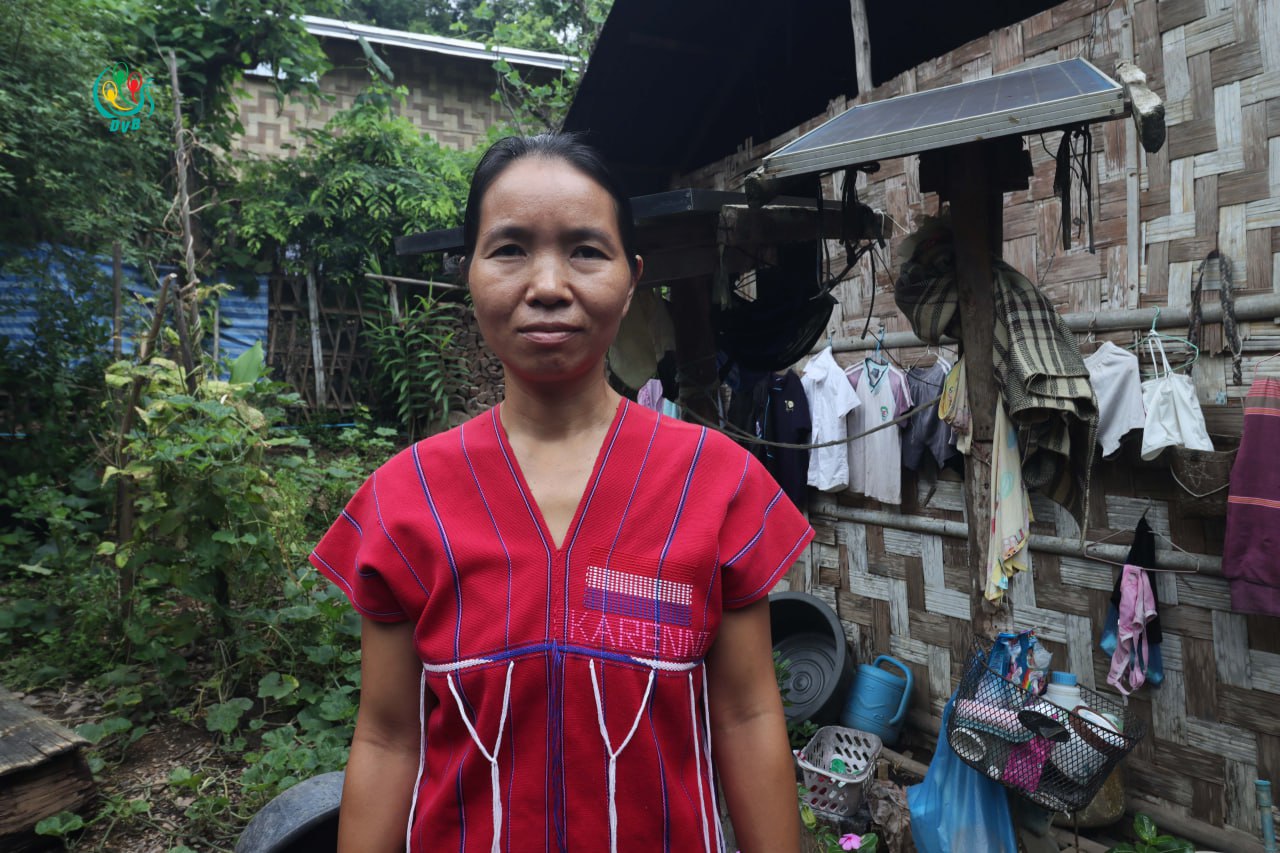
“I thank the Thais for allowing us to go outside and work, but I worry we will not be able to adapt. We have only done odd jobs inside the camp,” said Sae Mae, 39, a mother of three and a teacher from Karenni State who has lived in the Ban Mai Nai Soi refugee camp in Thailand’s Mae Hong Son Province since 2009.
Leon de Riedmatten, executive director of The Border Consortium (TBC), which has provided food, shelter, and other aid to refugees in Thailand for over 30 years, said in an interview with DVB that he was confident in the refugees’ abilities to work outside the camps.
“I am not worried about their skills. The main challenge could be language, depending on where they work. Otherwise, I believe they will manage,” he told DVB.
This policy shift comes after Thailand faces labour shortages due to the exodus of migrant workers from Cambodia during the recent Thai-Cambodia border conflict.
Also, major cuts in international aid to the refugee camps by the U.S., means funds meant for food and healthcare has sharply declined.
During a visit in August to a refugee camp near Thailand’s Mae Hong Son, opposite Myanmar’s Mese Township in Karenni State, refugees and camp committees told DVB that most camp residents were already struggling to cope with reduced food and health support.
“At least we had some aid to rely on before. Now there is almost none. We can still find food somehow, but I can’t imagine what will happen if we get sick,” Sae Mae told DVB.
For the first time in over 40 years of hosting refugees along its 1,492 mile (2,401 km) long Myanmar border, Thailand has granted some long-term refugees legal work rights. The move is widely regarded as a major shift in regional refugee policy.
The nine refugee camps are located in four provinces — four in Mae Hong Son, three in Tak, and one each in Kanchanaburi and Ratchaburi — hosting at least 107,000 refugees from Myanmar.
Thailand’s Transborder News reported, citing official Thai sources, that 42,601 are of working age from 18 to 59. Approximately 1,200 of the 42,601 individuals could be hired in the first phase of the work permit policy, according to the Thai officials.
To date, Thai employers have already registered a demand for 6,152 workers. The highest labor demand is in five sectors: construction, electronics manufacturing and distribution, agriculture and livestock, fisheries, and food and beverage.
“They are worried they might travel very far for work and stay away from their families. For example in Mae Hong Son camps, the jobs are very limited in the areas, mostly agriculture only. So they might leave for another province,” Maw Pray Myar told DVB.
Thailand’s Department of Employment outlined the steps for the program: employers select workers from the camps, submit their names and job details to provincial labour offices, and request permission from district chiefs for their departure.
Once approved, the selected refugees will undergo health checks, register for health insurance, and apply for one-year work permits at their respective provincial labour offices.
The initial application fee is 100 Thai baht ($3.90 USD), while the permit fee itself is waived. Renewals will cost 900 Thai baht ($27.80 USD) per year plus the 100-baht application fee.
Refugees will only be allowed to work in occupations open to foreign workers. Professions reserved for Thais, such as beauty services, Thai massage, and traditional handicrafts, remain prohibited.