


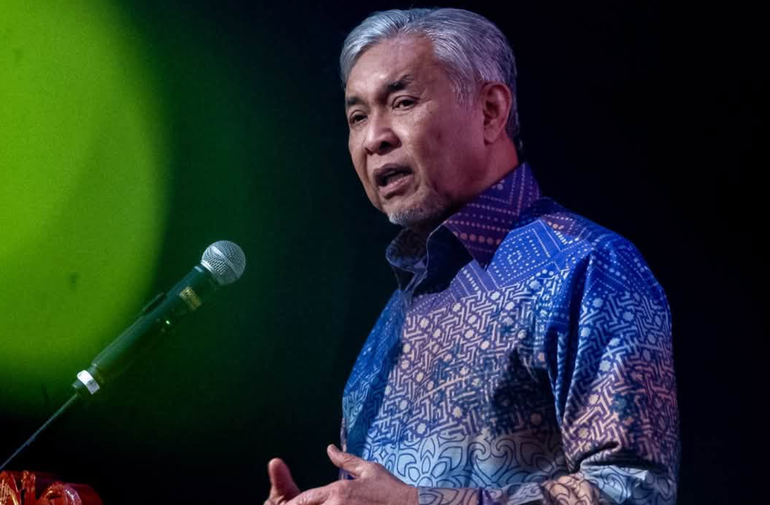
The Malaysian government is considering whether to impose formal movement restrictions on Rohingya refugees residing in the country while preparing to expand a state-run biometric registration initiative to U.N. High Commissioner for Refugees (UNHCR) cardholders nationwide, Deputy Prime Minister Ahmad Zahid Hamidi told parliament last week.
“The National Security Council [MKN] is working with all relevant ministries, departments and agencies as well as local authorities in conducting engagements to obtain feedback and plan the appropriate action to coordinate issues involving this community in Malaysia,” Ahmad Zahid Hamidi wrote in a reply to Malaysian member of parliament Wee Jeck Seng.
The Deputy Prime Minister confirmed that Malaysia is actively studying the suitability of travel and residency curbs for the refugee population residing outside of immigration detention centers, balancing national security against international legal standards.
Ahmad Zahid Hamidi stressed that any policy outcome would be evaluated against factors of security, national sovereignty, and human rights.
Alongside potential movement limits, he disclosed information about the government’s new domestic refugee registration document program, known as the Dokumen Pengesahan Pelarian (DPP), launched in January.
This initiative is currently executing its initial stage, which focuses strictly on refugees held inside immigration detention centers across the country. The DPP is slated to transition into its second phase in the near future, where government authorities will begin cataloging and issuing documentation to community members and UNHCR cardholders living outside detention centers, added Ahmad Zahid Hamidi.
The prospective restrictions and parallel documentation drive reflect an accelerating push by Malaysian authorities to reassert its sovereignty over the administration of refugees and asylum seekers from UNHCR.
Undocumented refugees and asylum seekers have historically relied on UNHCR identity cards for limited protection against arrest, with no domestic legal standing to reside, work, or access public education in Malaysia.
These new restrictions are being discussed for Rohingya without mentioning other ethnic communities from Myanmar seeking asylum in Malaysia, or other undocumented nationals living across the country.
FMT