


Malaysia’s Ministry of Home Affairs reported on Tuesday that a total of 12,176 Myanmar nationals were repatriated from Malaysia between January 1 and October 31, 2026, while clarifying that its official deportation logs are based strictly on nationality verified by the country of origin and do not specifically categorize or identify individuals belonging to an ethnic group.
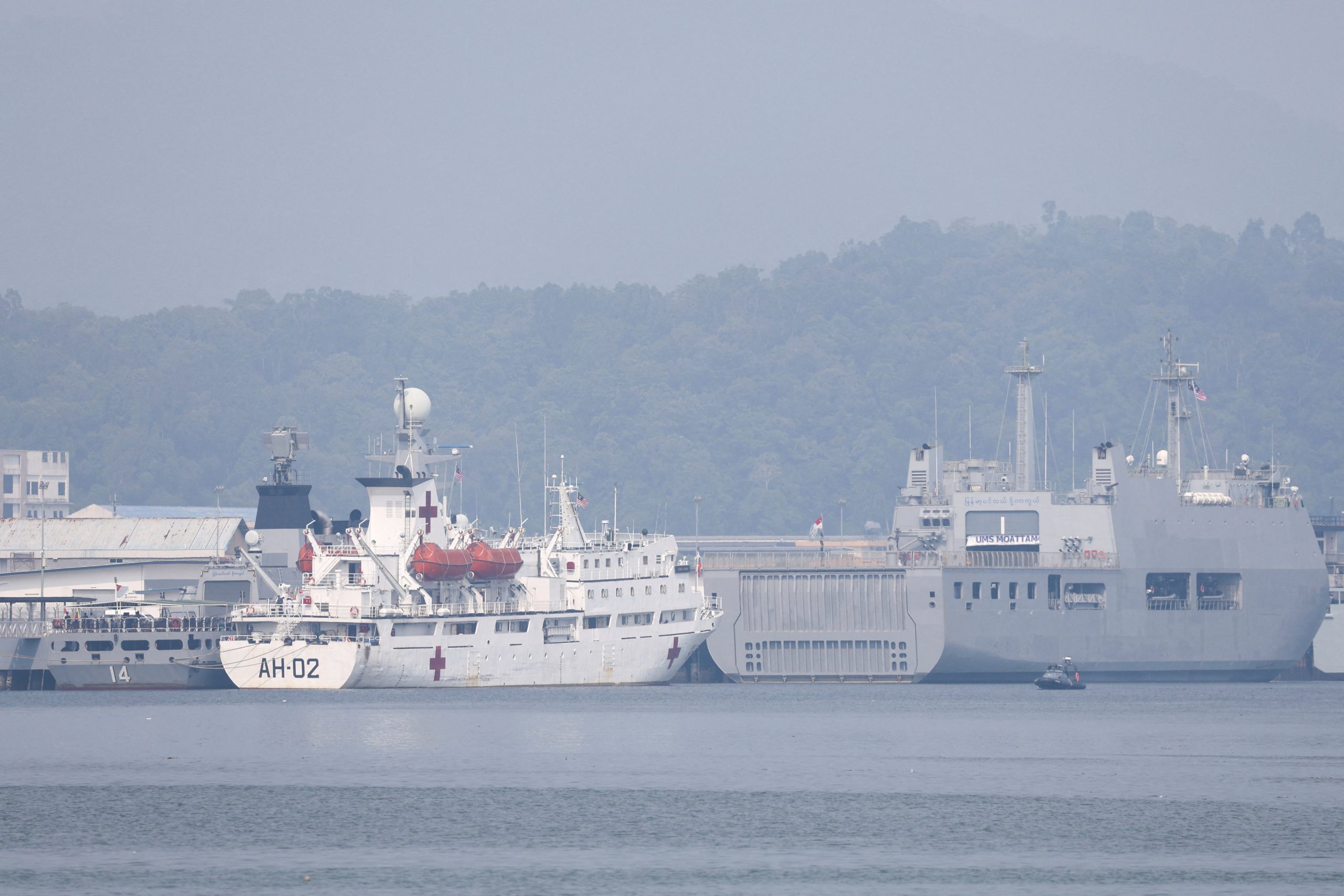
In a response to a Malaysian member of parliament, the Home Minister Saifuddin Nasution Ismail stated that this figure included the 1,476 Myanmar detainees repatriated via Myanmar Navy vessels on Sept. 29.
“However, repatriation records are based on citizenship verified by the country of origin, rather than ethnicity. Therefore, the figure does not specifically refer to the number of ethnic Rohingya repatriated,” he added.
The parliamentary disclosure comes amid heightened scrutiny from United Nations agencies and human rights groups—particularly following Malaysian Prime Minister Anwar Ibrahim’s remarks on the sidelines of the 49th ASEAN Summit in Manila on Monday noting that direct diplomatic outreach with Naypyidaw had facilitated mass repatriations at Myanmar’s expense.
Rights watchdogs have repeatedly warned that returning refugees and detainees to Myanmar exposes them to severe persecution, forced military conscription, and active civil war.
The U.N. High Commissioner for Refugees (UNHCR) in Malaysia has documented, which is cited by the Home Ministry, that 133,400 Rohingya were registered as refugees and asylum seekers as of Sept. 30.
Separately, Malaysian Immigration Department records showed that 6,294 Rohingya individuals were being held in immigration detention depots nationwide as of Oct. 31, accounting for more than half of the 11,208 detained Myanmar nationals.
Regarding irregular migration routes into Malaysia, the Home Ministry stated that Rohingya arrivals primarily enter the country unlawfully via land and sea routes rather than official entry checkpoints.
“The movement involves a network of regional migrant smuggling syndicates that arrange cross-border journeys from Myanmar or Bangladesh, including through transit countries before entering Malaysia,” the ministry noted, adding that the exact route and method of entry for any individual can only be established through formal investigation and verification of official records.
FMT