


Guest contributor
James Bawi Thang Bik
Malaysia continues to host a significant number of refugees and asylum seekers, with the majority coming from Myanmar. According to the U.N. High Commissioner for Refugees (UNHCR), there are approximately 211,360 refugees and asylum seekers registered in Malaysia.
Of these, 189,760 are from Myanmar, comprising 124,123 Rohingya, 32,800 Chin, and 32,827 from other ethnic groups affected by conflict or persecution.
Refugees from other countries make up the remaining 21,600, including Pakistanis, Yemenis, Somalis, Afghans, Syrians, Sri Lankans, Palestinians, Iraqis, and others.
Nearly half of the registered refugee population are men, while women make up 23 per cent, and there are 64,801 children under the age of 18.
However, this figure does not capture the full extent of the refugee population in Malaysia. Many undocumented refugees, particularly from Myanmar, remain outside the UNHCR registration system.
As a community, we hope that UNHCR can eventually register at least 51 per cent of Myanmar refugees, so that more individuals can access protection and basic support.
Challenges facing refugee registration
UNHCR has been processing new registrations for refugees who applied between 2019 and 2022 through their online platform. Yet, the agency faces significant challenges.
Funding cuts have forced UNHCR to reduce staff by approximately 60 percent, affecting the speed and capacity of registration and protection services.
UNHCR’s mandate in Malaysia is also limited. The agency cannot intervene in cases of arrest or detention of refugees, leaving many vulnerable to immigration enforcement.
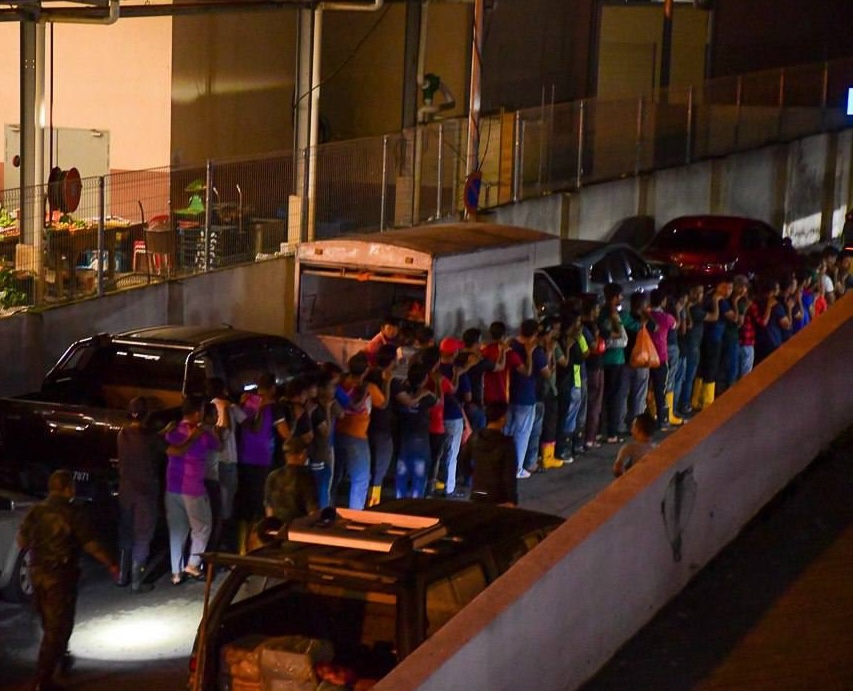
Daily immigration raids continue to target undocumented refugees, many of whom are detained or deported. These deportations are conducted in cooperation with the Myanmar Embassy in Kuala Lumpur, which raises concern within the refugee community about indirect collaboration with the regime in Myanmar.
Malaysian government initiatives
The Malaysian government is planning a national registration initiative, known as the Refugee Registration Document (Dokumen Pendaftaran Pelarian).
The programme aims to create a Malaysian-managed database for refugees, replacing the current reliance on UNHCR data.
Biometric registration will be carried out at Immigration Department offices nationwide. The initiative is expected to launch as early as January 2026, with a pilot programme already registering nearly 37,000 individuals, primarily refugees held in immigration detention centres.
Authorities have suggested that the DPP could provide refugees with the right to work.
Concerns within the refugee community
While the initiative offers the possibility of more structured registration, there are uncertainties. The lack of clear coordination between the Home Ministry and UNHCR has created concerns over protection standards and refugee rights.
The DPP plans include conducting Refugee Status Determination (RSD) interviews within the Immigration Department, which raises questions about how refugee status will be fairly assessed, given that Malaysia is not a signatory to the 1951 U.N. Refugee Convention.
During a meeting with the refugee community on November 15, many expressed apprehensions about the potential risks involved, including detention or deportation.
Yet, there is also hope that the initiative could eventually provide more security, recognition, and opportunities for refugees if implemented in a way that respects their safety and rights.
Looking ahead: Hopes for refugee protection
As the chairperson at the Alliance of Chin Refugees, I share the community’s cautious hope that more Myanmar refugees will be registered under UNHCR, and that the DPP initiative might offer a chance for better recognition and protection.
The Deputy Home Minister Shamsul Anuar Nasarah said that it will be implemented on January 1, 2026 to tackle security risks and data disorganisation, in line with a National Security Council order to replace the existing registration system managed by UNHCR.
While challenges remain, including funding shortages, immigration raids, and legal uncertainties, the possibility of a structured registration system gives the community hope that future generations of refugees in Malaysia might enjoy greater stability and support.
Refugees continue to navigate a precarious reality, with daily concerns over detention, deportation, and limited access to basic services. Yet, within these difficulties, there is hope that international agencies and national authorities may find ways to work together to reach more refugees and offer a measure of safety and security.
The situation for refugees in Malaysia remains complex. The UNHCR downsizing and the proposed DPP programme present both challenges and potential opportunities.
As a community, we hope that more refugees can be registered and supported, and that any national registration system will provide recognition without exposing individuals to further risk.
The refugee community in Malaysia continues to live with uncertainty, but also with cautious hope for a future in which more of us are counted, recognised, and protected.
James is the chairperson of the Alliance of Chin Refugees in Kuala Lumpur and a Chin community leader committed to protecting and empowering refugees in Malaysia. With a legal background and years of grassroots experience, he focuses on community coordination, legal awareness, and humanitarian support. His work centers on justice, dignity, and strengthening the voice of displaced Chin families.
DVB publishes a diversity of opinions that does not reflect DVB editorial policy. We’d like to hear what you think about this or any of our stories: [email protected]